Why Does Swiss Type Lathe Turning Keep Precision Parts Stable When Everything Else Starts to Flex?
Abstract: Small, slender, high-precision parts are notoriously easy to distort during machining—especially when you’re chasing tight tolerances, clean surface finish, and repeatability at scale. Swiss Type Lathe Turning is built specifically to solve those headaches by supporting the workpiece close to the cutting point, reducing deflection, and enabling multiple operations in a single setup. In this article, you’ll learn what makes Swiss machining different, when it’s the right choice, how to design parts that run smoothly, what materials and secondary processes pair well with it, and what to look for in a manufacturing partner when quality and delivery can’t slip.
Table of Contents
- Swiss Type Lathe Turning in Plain English
- When Swiss Type Lathe Turning Is the Best Choice
- How the Process Works and What It Solves
- Design Tips That Reduce Cost and Risk
- Materials and Finishes That Pair Well with Swiss Machining
- Quality Control and Documentation You Can Actually Use
- How to Choose the Right Supplier for Swiss Turning
- FAQ
- Next Step
Outline
- Define Swiss Type Lathe Turning and why it behaves differently from conventional turning
- Match the process to real-world pain points like deflection, burrs, and unstable tolerances
- Explain the workflow from bar feeding to cut-off and part handling
- Share design-for-manufacturing guidelines to improve yield and reduce cost
- Cover material choices, finishes, and typical secondary operations
- Clarify what inspection and documentation help buyers reduce risk
- Provide a supplier selection checklist plus practical FAQs
Swiss Type Lathe Turning in Plain English
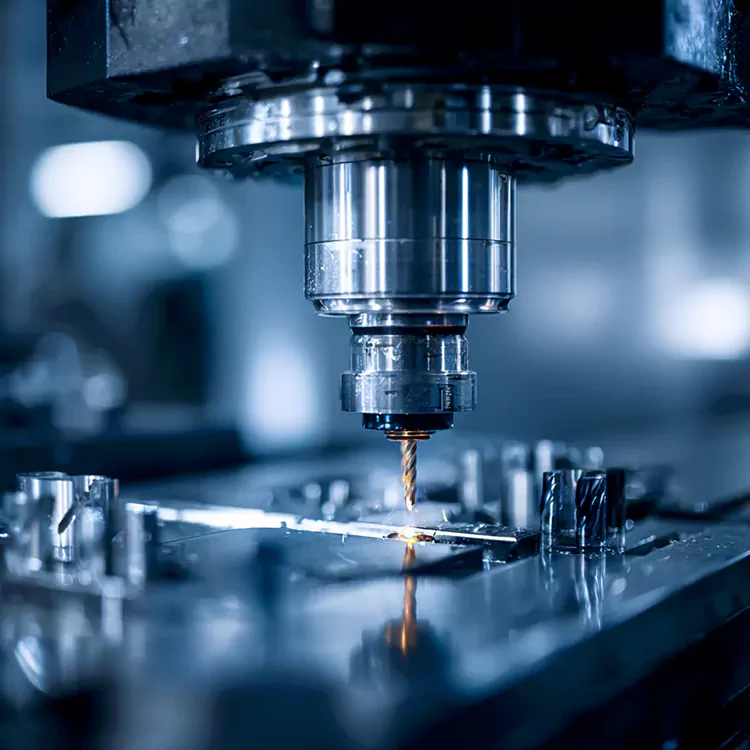
Swiss Type Lathe Turning (often called “Swiss turning” or “sliding headstock turning”) is a machining method designed for small-diameter parts and long, slender geometries that tend to bend, chatter, or drift out of tolerance on standard lathes.
The key difference is how the workpiece is supported. Instead of leaving a long stick of material hanging out (where it can whip or flex), Swiss machines guide the bar through a guide bushing that supports the material very close to where cutting happens. That support dramatically reduces deflection, which is one of the biggest causes of dimensional variation and surface finish problems.
- More stability: Support near the tool tip helps prevent bending and chatter.
- More features per cycle: Many Swiss machines combine turning, milling, drilling, and cross operations in one program.
- Better repeatability: Stable cutting conditions often produce consistent results across long production runs.
- Efficient for bar-fed production: Ideal when you want continuous machining from bar stock with minimal handling.
If your part is short and chunky, a standard CNC lathe may be perfectly fine. But once parts become thin, long, delicate, or feature-dense, Swiss Type Lathe Turning becomes less of a “nice-to-have” and more of a “this will save your project.”
When Swiss Type Lathe Turning Is the Best Choice
Most buyers don’t start by saying, “I need Swiss machining.” They start with problems:
- “My tolerance report looks fine on paper, but assemblies don’t fit consistently.”
- “The part keeps getting tool marks or taper.”
- “We’re seeing burrs that are hard to remove without damaging features.”
- “We need multiple operations, and every handoff adds risk and lead time.”
Swiss Type Lathe Turning is often the best solution when your parts have one or more of these characteristics:
- Small diameters and tight tolerance zones
- High length-to-diameter ratio (slender parts that behave like springs)
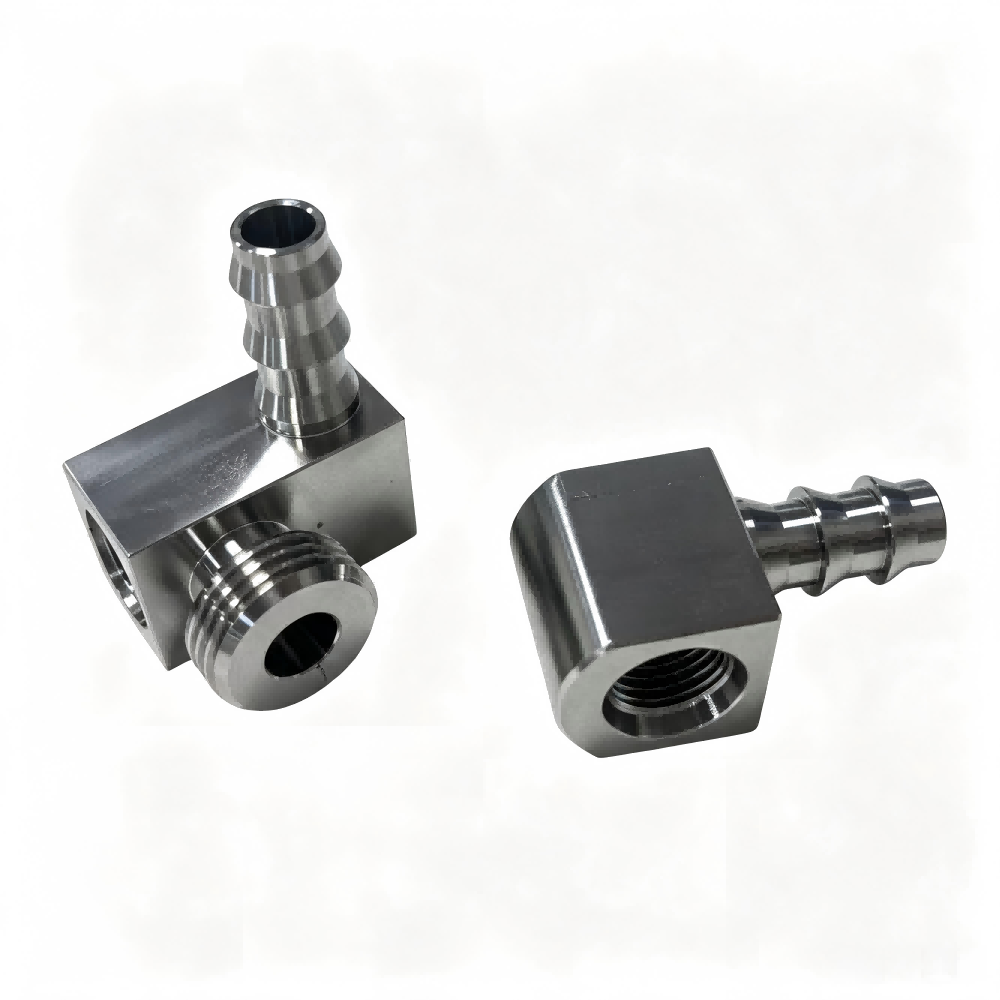
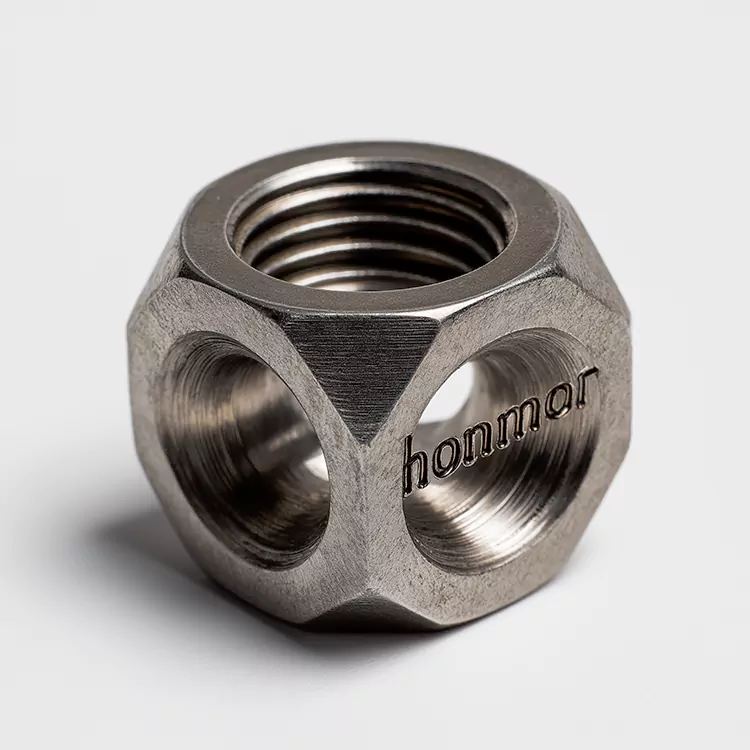
- Complex features such as flats, cross holes, threads, grooves, or milled geometry
- Medium-to-high volume production where consistency matters as much as speed
- Cosmetic or functional surface requirements that can’t be “polished out” later
| Common Buyer Pain Point | What Swiss Turning Changes | Practical Result |
|---|---|---|
| Long, thin parts flex during cutting | Guide bushing supports material close to cutting area | More stable dimensions, less taper, better consistency |
| Chatter ruins finish and tolerance | Shorter unsupported length reduces vibration | Smoother surfaces and fewer rejected parts |
| Too many setups to add cross holes/flats | Multi-tool capability supports combined turning + milling | Fewer handoffs, reduced lead time, lower risk |
| Burrs on tiny edges are hard to remove | Stable cutting and optimized toolpaths improve edge control | Cleaner edges and simpler deburring strategy |
How the Process Works and What It Solves
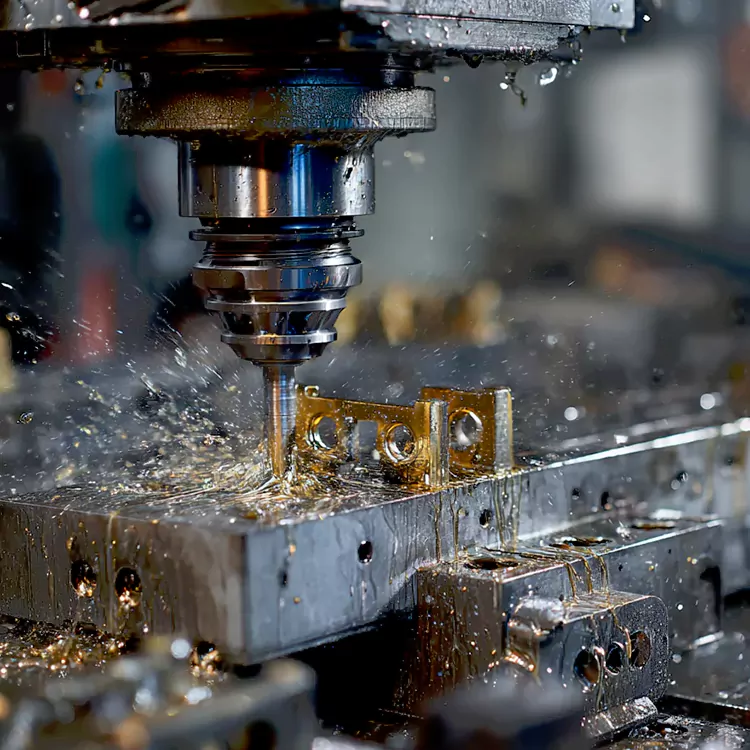
Think of a Swiss machine as a production system built around controlled material feeding and synchronized tooling. Here’s what typically happens in a Swiss Type Lathe Turning cycle:
- Bar feeding: The machine pulls bar stock forward with precision control.
- Guide bushing support: The bar passes through a bushing that holds it rigid near the cutting zone.
- Main turning operations: Tools cut diameters, tapers, grooves, and threads while the part stays supported.
- Cross operations: Live tooling can mill flats, drill cross holes, or create key features without moving to a separate machine.
- Cut-off and part handling: The completed part is separated from the bar and collected with minimal handling damage.
This workflow matters because the biggest enemies of precision are uncontrolled movement and extra handling. Every time a part is removed, re-clamped, re-indicated, or transported to another operation, the probability of variation increases. Swiss turning is built to keep the part stable, supported, and continuously machined until the job is done.
What it solves in real terms: If you’re buying precision components for medical devices, electronics, optics, automotive sensors, or industrial assemblies, the goal isn’t just “tight tolerance.” The goal is predictable assembly behavior—parts that fit the same way today, next month, and after your volume scales.
Design Tips That Reduce Cost and Risk
Swiss Type Lathe Turning can do impressive work—but you’ll get better pricing, higher yield, and faster delivery when the design matches the process. These practical guidelines help avoid common surprises:
- Specify tolerances with intent: Hold tight tolerances only where function demands it. Over-tolerancing can inflate cost and inspection time.
- Watch length-to-diameter ratio: Swiss machining handles slender parts well, but extreme ratios may still require special strategy (tooling, feeds, support, or operation order).
- Standardize threads and tool-friendly radii: Common thread forms and sensible fillets reduce programming and tooling complexity.
- Plan for burr control: Tiny edges and cross holes can create burr challenges—call out edge break requirements clearly and realistically.
- Choose features that can be completed in one cycle: Align flats, holes, and key geometry so the machine can reach them efficiently.
| Feature / Requirement | What to Clarify | Why It Matters |
|---|---|---|
| Critical tolerance zones | Which dimensions drive fit/function | Helps prioritize control and avoid unnecessary cost |
| Surface finish | Where finish is functional vs cosmetic | Prevents over-processing and ensures performance |
| Edge condition | Break edges, deburr level, or “sharp allowed” | Reduces ambiguity and rework |
| Material and heat treatment | Temper/condition requirements and timing | Affects machinability, distortion risk, and final dimensions |
| Inspection expectations | Sampling plan and reporting format | Speeds approval and prevents back-and-forth |
Buyer shortcut: If you share a drawing plus a short note describing the part’s function and mating conditions, your supplier can often propose smarter control points, cost-saving tweaks, and more reliable inspection plans.
Materials and Finishes That Pair Well with Swiss Machining
Swiss Type Lathe Turning is commonly used across a wide range of metals and engineering plastics. The best choice depends on mechanical properties, corrosion resistance, weight, conductivity, and your finishing requirements.
Common materials:
- Stainless steels: Great for corrosion resistance and strength-sensitive parts
- Aluminum alloys: Lightweight, efficient to machine, widely used in electronics and fixtures
- Brass and copper alloys: Excellent machinability, popular for electrical components
- Titanium: High strength-to-weight and corrosion resistance for demanding applications
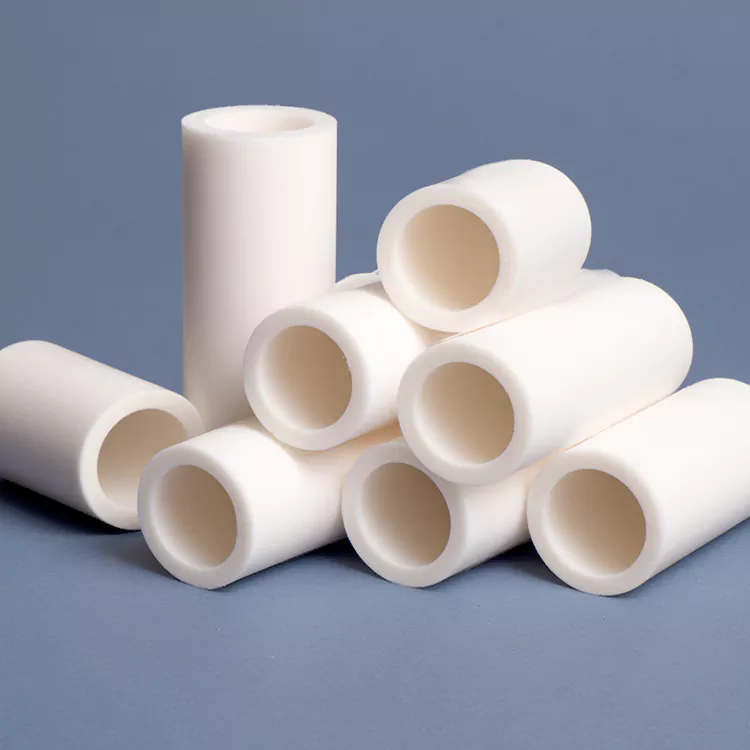
- Engineering plastics: Options like PEEK, PTFE, or acetal for insulation and chemical resistance needs
Typical secondary operations:
- Deburring and edge finishing for assembly safety
- Heat treatment (as required by strength or wear needs)
- Anodizing, plating, passivation, or coating depending on environment and performance targets
- Laser marking for traceability or branding (when specified)
One practical note: finishing steps can shift dimensions slightly depending on process type and thickness. If a feature is sensitive, it’s worth discussing whether it should be machined before or after finishing—and what dimensions should be verified at each stage.
Quality Control and Documentation You Can Actually Use
Precision buyers don’t just need parts—they need confidence. The best suppliers treat inspection and documentation as a way to reduce your downstream risk, not as a box-checking exercise.
What reliable quality control often includes:
- Clear inspection planning: Identifying key characteristics and measurement approach before production ramps
- In-process checks: Verifying critical dimensions during the run, not only at the end
- Consistent measurement methods: Using appropriate gauges, calibrated tools, and stable routines
- Actionable reports: Measurement data that is readable and linked to drawing requirements
Common documentation you can request (depending on your program):
- Material certificates and traceability details
- First-article inspection reports for initial approval
- Batch inspection records and dimensional summaries
- Process notes for special requirements (finishing, marking, handling)
If you’ve ever received a report that looks official but doesn’t help you make decisions, you already know why this matters. Ask your supplier what they measure, how they measure it, and what triggers corrective action when variation appears.
How to Choose the Right Supplier for Swiss Turning
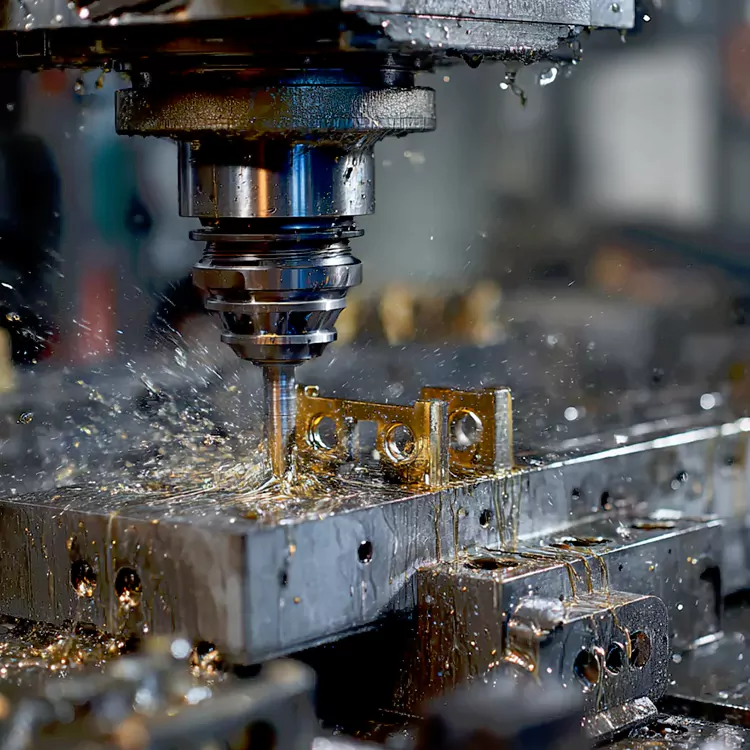
Swiss Type Lathe Turning is a specialized capability—so the supplier you choose affects much more than price. You’re also choosing their engineering judgment, process discipline, and ability to keep output stable when volume increases.
Here’s a simple checklist to evaluate a manufacturing partner:
- Engineering support: Do they proactively review your drawing for risk, tolerance stack issues, and burr concerns?
- Process capability: Can they complete multiple operations in one cycle to reduce handoffs?
- Quality consistency: Do they explain inspection routines and provide meaningful measurement output?
- Communication: Do they ask the right questions early (function, mating parts, finish priority) instead of guessing?
- Scalability: Can they support both prototype builds and stable repeat production?
Where Shenzhen Honmor Precision Technology Co., Ltd. fits in: If your program requires Swiss Type Lathe Turning for high-precision, small-diameter components, a capable supplier should be able to combine process planning, practical design feedback, and disciplined inspection to reduce surprises. The goal is simple: parts that arrive ready to assemble—without hidden issues that show up only after you’re under deadline pressure.
FAQ
Q: What types of parts benefit most from Swiss Type Lathe Turning?
A: Small, slender, feature-rich components—especially those with tight tolerance requirements, cross holes, flats, threads, grooves, and surface finish expectations. It’s particularly useful when minimizing deflection and handling is critical.
Q: Is Swiss turning only for high-volume production?
A: Not only. While bar-fed efficiency shines in repeat production, Swiss machining can also be effective for prototypes when your geometry is difficult to stabilize on conventional equipment. The key is whether the process reduces risk and rework for your specific design.
Q: Can Swiss machines handle milling features too?
A: Many Swiss setups support live tooling that can mill flats, drill cross holes, and create features that would otherwise require secondary operations. The exact capability depends on the machine configuration and tooling strategy.
Q: How should I specify deburring requirements for tiny parts?
A: Be explicit. “Deburr all edges” can be interpreted differently depending on geometry. If a sharp edge is functionally required, call that out. If you need a consistent edge break, specify the expectation clearly so the supplier can plan an appropriate approach.
Q: What information helps a supplier quote accurately?
A: A clear drawing (with tolerance zones and finish requirements), material and finishing requirements, target quantity, and a note on part function or mating conditions. If certain dimensions are critical to assembly, flag them—this often improves both pricing and reliability.
Ready to Make Your Small Precision Parts More Predictable?
If you’re battling inconsistent fit, tool marks, burr issues, or long lead times caused by multiple setups, Swiss Type Lathe Turning may be the cleanest path to stable quality and smoother production. Share your drawing and key requirements with Shenzhen Honmor Precision Technology Co., Ltd. and let an experienced team help you choose a machining plan that protects tolerances, improves repeatability, and reduces unnecessary cost—then contact us to start your project discussion.
Related News
- What Makes Complex 5 Axis CNC Machining Parts the Backbone of Advanced Manufacturing?
- Why High Tolerance Titanium Turned Parts Are the Backbone of Aerospace and Medical Innovation?
- Why Are 5-Axis CNC Machined Auto Parts the Smart Choice for Complex Automotive Components?
- Why Are CNC Aluminum Turned Parts the Preferred Solution for Lightweight, High-Precision Components?
- Can Fast 3D Printed Prototypes Really Accelerate Your R&D and Reduce Costs?
- CNC Prototype Metal Components: Why Are They Essential for Your Next Project
Leave me a message