Abstract
Buying CNC Machining Parts should feel predictable: you send drawings, you receive parts that fit, assemble, and perform. In real life, teams run into the same pain points—unclear tolerances, surprise costs, surface finish mismatches, delayed lead times, and quality reports that don’t answer the “will this pass inspection?” question.
This guide breaks down practical ways to lower risk when sourcing CNC Machining Parts—what to specify, what to ask, and how to set up a smooth path from first article to stable batches. You’ll also see a supplier-side view of what makes jobs go fast (and what causes rework), plus a ready-to-use RFQ checklist.
Contents
- What you’ll get from this article
- Where sourcing breaks down
- What to specify so parts “just fit”
- Material choices that prevent regret
- Surface finish without surprises
- Quality control that actually reduces risk
- Lead time and cost drivers you can control
- A clean workflow from prototype to production
- RFQ checklist you can copy
- FAQ
What you’ll get from this article
For buyers: a plain-English way to request CNC Machining Parts that meet requirements the first time, plus a checklist that prevents “quote ping-pong.”
For engineers: quick, shop-friendly notes on tolerances, datums, threads, and finishes that protect function without inflating cost.
Mini outline
- Common sourcing failures
- Spec essentials that prevent misinterpretation
- Materials & finishes that match real environments
- Quality evidence that matters
- Lead-time levers and a repeatable workflow
Where sourcing breaks down
Most “bad outcomes” with CNC Machining Parts are not caused by machining alone—they’re caused by ambiguity. A supplier can’t read your mind, and a buyer shouldn’t need to become a machinist to get reliable parts. Here are the pain points that show up again and again:
- Parts don’t assemble because a tolerance was assumed instead of defined (or measured from the wrong datum).
- Finish doesn’t match expectation (too glossy, too rough, wrong color, or scratches that fail cosmetic standards).
- Hidden cost drivers appear late: tight tolerances everywhere, complex setups, secondary ops, or aggressive deburring.
- Lead times slip due to unclear priority features, missing models, or repeated drawing revisions.
- Quality documents feel useless because they don’t connect measurements to the features that matter.
Rule of thumb: If your drawing leaves room for interpretation, you’re buying “interpretation,” not certainty. The fix is surprisingly simple: define what matters, relax what doesn’t, and ask for proof in the right places.
What to specify so parts “just fit”
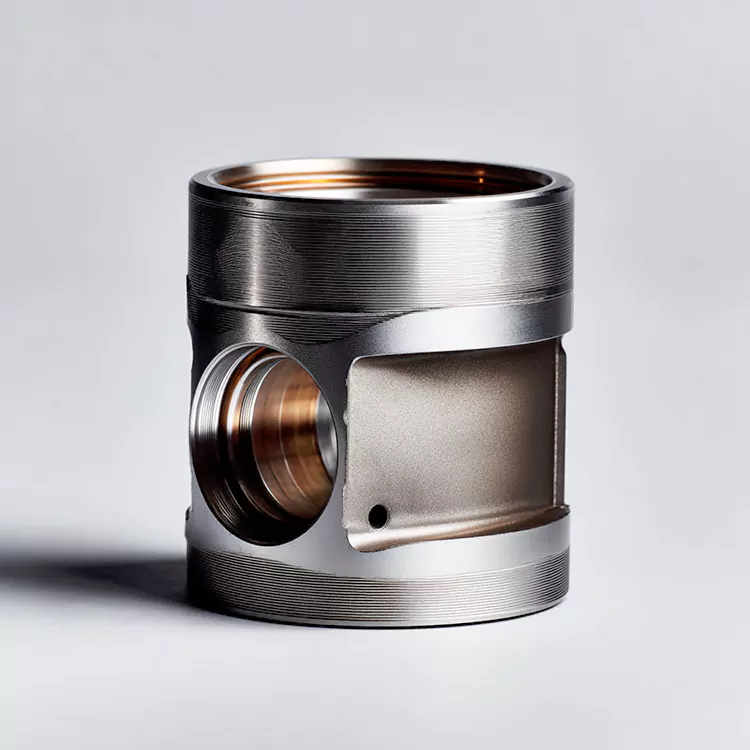
If you only do one thing differently when ordering CNC Machining Parts, do this: make the functional intent unmistakable. You don’t need an essay—just the right signals.
| Buyer pain point | What to specify | What you gain |
|---|---|---|
| “Hole pattern doesn’t line up” | Datums, true position requirement, and inspection method for the pattern | Predictable assembly and easier incoming inspection |
| “Thread doesn’t work with our fastener” | Thread standard, class/fit, callout for tapped depth, and chamfer expectation | Fewer stripped threads, less re-tapping on your line |
| “Edge quality is inconsistent” | Deburr standard (e.g., break sharp edges), cosmetic side marking | Less handling risk and better appearance control |
| “Surface finish isn’t what we meant” | Ra requirement on functional faces + visual standard for cosmetic faces | Finish matches use case instead of guesswork |
| “We got quoted way higher than expected” | Flag only the critical-to-function features as tight; loosen the rest | Lower cost without compromising performance |
A practical way to communicate priority is to label features as: Critical (must pass), Important (should pass), and Reference (nice to have). This helps a machinist plan setups and inspection time—two major drivers for both quality and lead time.
Small spec wins that save big headaches
- Provide a STEP file (or another solid model) alongside the drawing to reduce interpretation risk.
- Call out the “cosmetic side” and “no-tool-mark zones” if appearance matters.
- Specify whether burr-free edges are required on internal pockets and cross-holes (this can change process time).
- If parts are safety-critical, define traceability expectations (material certs, lot IDs, inspection records).
Material choices that prevent regret
Material selection is where many CNC Machining Parts projects quietly go wrong. Teams choose a material for “strength,” then discover corrosion, galvanic issues, or machining-related distortion. Here’s a quick decision table that aligns material choice with real-world conditions:
| Material family | Best when you need | Watch out for |
|---|---|---|
| Aluminum alloys | Lightweight parts, fast machining, good cost-performance | Surface protection may be needed for wear/corrosion; specify anodizing type if required |
| Stainless steel | Corrosion resistance, durability, harsh environments | Higher machining time and tool wear; define finish expectations to avoid “too rough” results |
| Titanium alloys | High strength-to-weight, corrosion resistance, demanding applications | More expensive and slower to machine; plan lead time and validate critical features early |
| Engineering plastics | Electrical insulation, low weight, chemical resistance (depending on grade) | Thermal expansion and creep; define operating temperature and load where relevant |
| Brass / copper alloys | Conductivity, machinability, fittings/connectors | Surface oxidation; specify storage/packaging and any plating needs |
If you’re unsure, don’t guess—state the environment: temperature range, contact media (water, oil, salt), load cycles, electrical requirements, and whether the part is structural or cosmetic. A capable supplier can then steer you toward a safer default without overengineering.
Surface finish without surprises
“Surface finish” is one phrase that can mean five different things across teams. When ordering CNC Machining Parts, separate it into: functional finish, cosmetic finish, and protective finish.
Functional finish
- Use Ra values for sealing faces, sliding interfaces, and bearing seats.
- Call out where tool marks are acceptable and where they are not.
- Define flatness/parallelism when finish affects performance.
Protective & cosmetic finish
- Specify coating/anodizing type, thickness needs, and color tolerance if relevant.
- Mark cosmetic faces to prioritize handling and packaging.
- Align on “as-machined,” “bead blasted,” or “polished” using a simple visual reference standard.
Packaging is part of finish. If a part is cosmetic, request protective separation (bags, foam, trays), not just a finish process. Many “finish defects” are actually shipping and handling marks.
Quality control that actually reduces risk
Quality isn’t a vibe—it’s evidence. When sourcing CNC Machining Parts, ask for quality checks that match your risk. For low-risk brackets, spot checks might be fine. For mating parts, medical components, or anything that can trigger a line stop, you want tighter verification.
What to request (in plain terms)
- First article inspection for new parts or revised drawings, with measured critical dimensions.
- In-process checks on features that drift (bore size, position, flatness) during longer runs.
- Final inspection with clear pass/fail against the drawing, not generic “OK” notes.
- Measurement approach (e.g., CMM for geometry, optical tools for profiles) appropriate to features.
A strong manufacturing partner will also tell you what can realistically be measured and how measurement uncertainty is handled. This is where Shenzhen Honmor Precision Technology Co., Ltd. positions itself as a practical, production-minded supplier: broad material capability and a disciplined inspection routine help reduce procurement risk, especially when parts must remain consistent across batches and programs.
Procurement tip: Ask your supplier to identify the top 3 “risk features” on your part. If they can’t name them, they may not understand your functional intent—or they’re not looking closely enough.
Lead time and cost drivers you can control
The fastest way to accelerate CNC Machining Parts delivery is to remove uncertainty and reduce rework. Here are levers you control directly:
- Revision discipline: freeze drawings before cutting whenever possible; bundle changes instead of drip-feeding updates.
- Tolerance strategy: tighten only what affects function; loosen everything else.
- Standard hardware: prefer standard threads and readily available materials unless there’s a real requirement.
- Finish timing: confirm lead time for anodizing/coating early; these steps can dominate the schedule.
- Inspection scope: define what needs 100% checking vs sampling so time is spent where it matters.
Cost reality check
Two parts that “look similar” can cost very differently if one needs multiple setups, deep pockets that require long tools, or tight positional tolerances across faces. If a quote comes back higher than expected, ask the supplier which features are driving cost— then decide whether those features truly need that level of control.
A clean workflow from prototype to production
Teams that consistently succeed with CNC Machining Parts follow a repeatable rhythm. It’s not complicated—just intentional.
- Kickoff: Share drawing + model + application notes (environment, loads, interfaces, cosmetic expectations).
- Supplier feedback: Ask for manufacturability notes before machining starts (tolerance hotspots, tool access, finish risks).
- First article: Validate form/fit/function with a measured report on critical features.
- Controlled ramp: Place a small batch next; confirm repeatability and packaging before scaling.
- Stable production: Lock process, define sampling, and keep revision control tight.
Batch consistency isn’t luck. It’s standardized setups, documented checks, and a shared definition of “good.” The earlier you align on that definition, the less time you’ll spend chasing problems later.
RFQ checklist you can copy
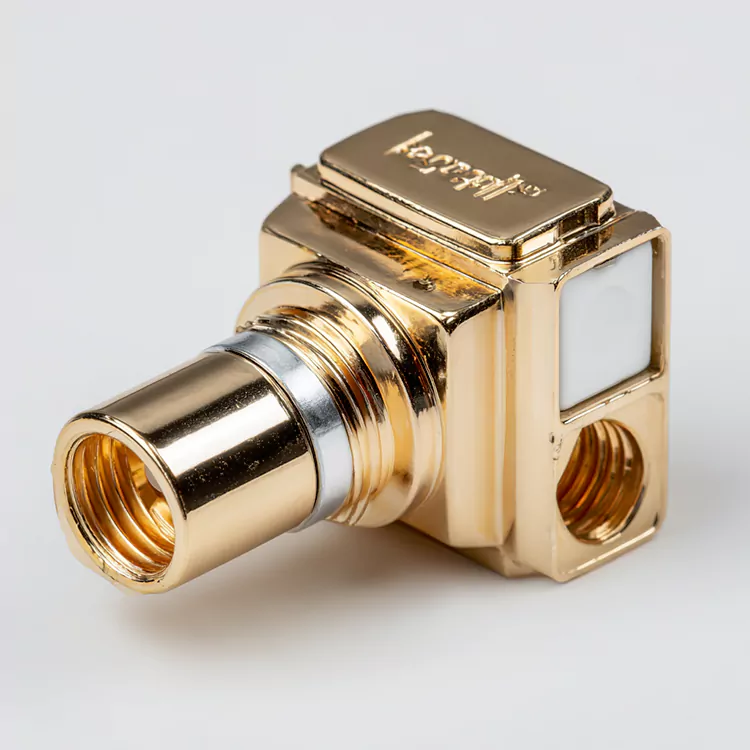
Use this checklist to get cleaner quotes and fewer back-and-forth questions for CNC Machining Parts. Copy-paste it into your RFQ email or sourcing form.
- Files: 2D drawing (PDF) + 3D model (STEP) + revision number
- Quantity & schedule: prototype qty, monthly forecast, target delivery date
- Material: grade/spec + any alternates allowed
- Critical features: datums, mating surfaces, hole patterns, press fits, sealing faces
- Threads: standard, class/fit, depth requirements, inserts if needed
- Finish: as-machined / blasted / anodized / coated + cosmetic face marking
- Inspection: first article report, sampling plan, measurement method for key geometry
- Packaging: cosmetic protection, part separation, labeling needs
- Compliance: traceability, material certs, lot marking if required
- Notes: application environment (temperature, corrosion, load cycles)
FAQ
What tolerance should I use for CNC Machining Parts if I’m not sure?
Start by tightening only what affects assembly or performance (bearing seats, mating bores, true position on hole patterns), and keep non-critical dimensions more open. If you’re unsure, mark critical interfaces and ask the supplier to propose a tolerance plan. This avoids paying for precision where you don’t benefit.
How can I prevent “looks different than expected” surface finish results?
Separate functional requirements (Ra on specific faces) from cosmetic expectations (which side is visible, acceptable tool marks). If appearance is important, define a cosmetic face and request protective packaging. Many cosmetic issues happen after machining.
Do I need a first article inspection for every order?
For a new part, a revised drawing, or anything that mates with other components, first article inspection is a smart default. Once production is stable and the process is proven, you can switch to a sampling plan—especially for low-risk features.
What information speeds up quotes for CNC Machining Parts?
Provide both a drawing and a 3D model, clear quantity/lead-time targets, finish requirements, and highlight critical features. The less the supplier has to interpret, the faster and more accurate your quote will be.
How do I keep quality consistent when I scale from prototypes to batches?
Lock revisions, agree on the inspection scope for key features, and confirm packaging before scaling. A controlled ramp (small batch after prototype) usually catches repeatability issues early—before they become expensive.
Ready to source CNC Machining Parts with fewer surprises?
If you want a supplier who treats your drawings like a manufacturing plan—not a guessing game—work with Shenzhen Honmor Precision Technology Co., Ltd. to turn your requirements into reliable parts, from first article to stable production.
Send your drawings and target quantities today and contact us to get a clear quote, practical feedback, and a manufacturing path that protects your schedule.