Why Does Sheet Metal Fabrication Decide Whether Your Project Ships on Time?
If you’ve ever approved a drawing, waited for parts, and then discovered the holes don’t line up, the finish is inconsistent, or the assembly suddenly needs “rework,” you’re not alone. Sheet Metal Fabrication looks straightforward until small decisions—material choice, bend allowances, weld strategy, surface finish, and inspection—start compounding into delays and cost overruns.
This article breaks down the practical, buyer-focused side of Sheet Metal Fabrication: where projects usually fail, how to de-risk your first order, and what to ask a supplier so you get parts that fit, look right, and arrive when you need them. You’ll also find a simple checklist, comparison tables, and FAQs you can reuse with your own team.
Table of Contents
- Outline
- What is Sheet Metal Fabrication in real life terms?
- What are the pain points buyers keep running into?
- Which processes matter most for your part?
- What should you confirm before you release a drawing?
- What quality controls prevent expensive surprises?
- What drives cost and how do you lower it without sacrificing function?
- How do you protect lead time and keep communication crisp?
- How can a supplier support you from prototype to volume?
- FAQ
- Closing notes
Outline
- Define Sheet Metal Fabrication from a buyer’s perspective (not a textbook).
- Map the most common failure points that cause scrap, rework, and schedule slips.
- Show how cutting, bending, joining, and finishing choices affect fit and appearance.
- Provide a drawing-release checklist you can use to prevent misunderstandings.
- Explain practical inspection gates and acceptance criteria.
- Identify the cost levers buyers can control early, before tooling and revisions.
- Share a supplier workflow that reduces risk from prototype to production.
- Answer FAQs buyers ask right before placing an order.
What is Sheet Metal Fabrication in real life terms?
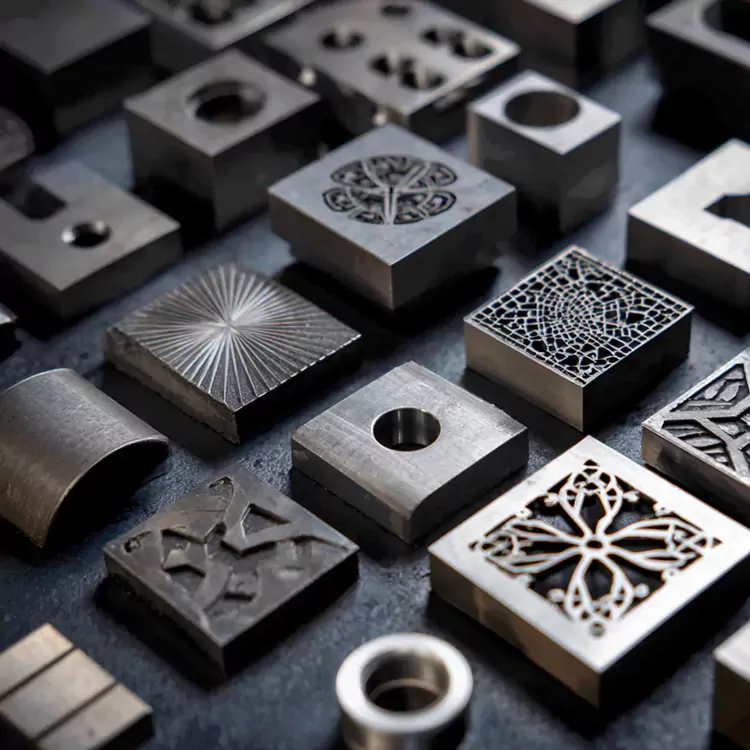
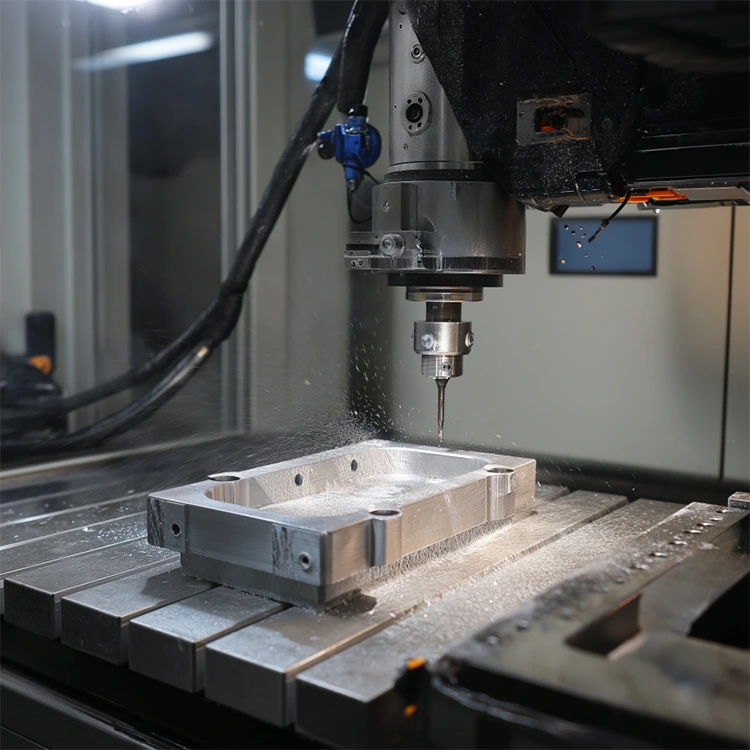
Sheet Metal Fabrication is the process of turning flat metal sheet into functional parts—enclosures, brackets, panels, frames, chassis, covers—through a sequence of steps like cutting, bending, joining, and surface finishing. But the buyer reality is simpler:
- You’re buying predictability. The part should fit your assembly the first time, not after “minor tweaks.”
- You’re buying repeatability. The 200th piece should match the 1st piece within your tolerance needs.
- You’re buying coordination. Laser cut accuracy, bend angles, weld distortion, and coating thickness must work together.
When Sheet Metal Fabrication is done well, it feels boring—in the best way. Your assembly team stops improvising, your inventory stops accumulating “almost-right” parts, and your launch dates stop moving.
What are the pain points buyers keep running into?
Most sheet metal issues are not “mystery problems.” They’re predictable outcomes of missing assumptions. Here are the pain points I see buyers trying to avoid—and the upstream decisions that usually fix them.
| Buyer pain point | What it looks like | What usually causes it | How to prevent it |
|---|---|---|---|
| Parts don’t fit at assembly | Holes misaligned, edges interfere, fasteners bind | Unclear datums, inconsistent bend assumptions, tolerance stack-up ignored | Lock datums, define critical-to-fit dimensions, confirm bend allowance method |
| Visible cosmetic defects | Scratches, pits, orange peel, uneven color | Handling marks, wrong surface prep, coating thickness variation | Define cosmetic zones, specify surface grade, add packaging and protection requirements |
| Warping after welding | Panels no longer flat; doors won’t close | Heat distortion, poor fixturing, weld sequence not planned | Use fixtures, limit continuous welds, validate sequence, consider rivets/clinching |
| Lead time keeps changing | “Waiting for material,” “waiting for coating slot” | Rare material, too many finish variants, missing approvals | Standardize material/finish, pre-approve samples, provide clear revision control |
| Unexpected cost spikes | Quote jumps after DFM review | Tight tolerances everywhere, complex bends, secondary ops not planned | Apply tight tolerances only where needed; simplify features; combine operations |
The quiet truth: most buyers don’t need “perfect” parts—they need consistent parts that meet function and appearance requirements, backed by clear acceptance criteria. Sheet Metal Fabrication becomes painful when acceptance is implied instead of defined.
Which processes matter most for your part?
Buyers often treat fabrication like one bundled service, but process choices directly change your outcomes. Use this section as a mental model for what to emphasize in your RFQ and drawing notes.
- Cutting: Laser cutting is common for precision profiles; punching can be efficient for repeated patterns; shearing works for straight cuts.
- Bending: Press brakes form bends, but bend radius, springback, and grain direction influence accuracy and cracking risk.
- Joining: Options include spot welding, MIG/TIG welding, riveting, clinching, and fasteners—each with tradeoffs in strength and distortion.
- Surface finishing: Powder coating, plating, brushing, anodizing (for aluminum), or painting—finish affects corrosion resistance and visual consistency.
| Decision area | Best when you need | Risk if not specified | Buyer tip |
|---|---|---|---|
| Laser cut vs punch | Complex shapes, quick iteration, clean edges | Burr direction, edge heat tint, micro-tabs not expected | State deburr requirements and edge condition (especially for hands-on parts) |
| Weld vs rivet/clinching | Sealed joints, high strength, fewer hardware items | Warping, spatter, grinding marks in cosmetic zones | Define cosmetic faces and allow alternative joining to reduce distortion |
| Powder coat vs plating | Durable coating, color options, good coverage | Thickness affects hole sizes and mating fits | Call out “masking” and which features must stay coating-free |
What should you confirm before you release a drawing?
If you want fewer revisions, your goal is to remove ambiguity. Here’s a practical pre-release checklist that works for brackets and enclosures alike in Sheet Metal Fabrication.
- Material spec: grade, thickness, and whether substitution is allowed (and within what range).
- Datums and critical features: identify the surfaces that control fit, alignment, and assembly.
- Hole strategy: confirm which holes are clearance, which are tapped, and which need countersink/counterbore.
- Bends: clarify bend angles, inside radius expectations, and whether the flat pattern is informational or controlling.
- Edge condition: specify deburring, chamfering, and any “safe-to-handle” requirements.
- Welding notes: weld type and size, cosmetic side, grind/clean requirements, and distortion limits.
- Finish: color, texture, coating thickness expectations, masking areas, and salt/corrosion expectations if relevant.
- Cosmetic zones: label “A-surface” areas that must look clean under normal viewing distance.
- Packaging: add protection requirements if surface quality is important (film, separators, individual wrap).
- Revision control: one drawing per revision, clear change summary, and a single point of approval.
What quality controls prevent expensive surprises?
Quality isn’t just “inspect at the end.” In Sheet Metal Fabrication, the best approach is to insert lightweight checks at the points where errors are cheapest to fix.
- Incoming material verification: thickness, basic identification, and visual condition.
- First article inspection: confirm critical-to-fit dimensions before running the full batch.
- In-process bend checks: spot-check angles and key flange dimensions to catch drift early.
- Weld fixture validation: confirm the fixture holds alignment and prevents cumulative distortion.
- Pre-finish cleaning: surface prep consistency is a major driver of coating appearance.
- Final inspection: verify functional dims + cosmetic acceptance before packing.
If your part interfaces with other components, ask your supplier to inspect to the same datums your assembly uses. Otherwise, you risk passing inspection yet failing fit.
What drives cost and how do you lower it without sacrificing function?
Cost in Sheet Metal Fabrication is rarely “just labor.” It’s the total complexity you baked into the part: setups, operations, tooling, finishing, and the hidden tax of scrap and rework. Here are the biggest levers buyers control.
| Cost driver | What increases it | What buyers can do |
|---|---|---|
| Tolerances | Overly tight tolerances on non-critical features | Apply tight tolerances only where they affect fit/function |
| Number of operations | Extra secondary ops (manual deburr, drilling, grinding) | Design features for fewer operations; allow standardized edge breaks |
| Welding & cosmetics | Welds on visible faces requiring grinding and refinishing | Move joints to hidden zones; use mechanical joining where acceptable |
| Finishing complexity | Multiple colors/textures, strict cosmetic expectations, masking surprises | Standardize finishes; define masking up front; approve samples early |
| Material choice | Non-standard grades, thicknesses, or limited supply | Use common materials when possible; allow equivalent substitutions with boundaries |
A buyer-friendly rule: every “special note” can be valid—just understand it usually adds handling or setup time. If you want lower cost and steadier lead time, reduce variants (materials, finishes, hardware types) wherever you can.
How do you protect lead time and keep communication crisp?
Delays often happen when a supplier has to pause and ask questions that should have been answered in the RFQ package. If you want Sheet Metal Fabrication to move fast, build a “decision-ready” request.
- Send the right files: a clean PDF drawing plus a 3D file when possible.
- Mark critical dimensions: don’t assume the shop knows what your assembly cares about.
- Define finish and cosmetic zones: include photos or a simple note like “front face is cosmetic.”
- State quantities and forecast: prototypes, pilot run, and expected monthly volume can change the plan.
- Lock a single approval owner: one person approves samples, changes, and exceptions.
- Keep revisions disciplined: use versioned filenames and a short change summary.
How can a supplier support you from prototype to volume?
A capable supplier does more than “make parts.” They help you choose process routes that protect fit, appearance, and schedule as you scale. For example, Shenzhen Honmor Precision Technology Co., Ltd. supports customers who need Sheet Metal Fabrication that transitions smoothly from fast prototypes to repeatable production—especially when an enclosure, bracket, or chassis must align with tight assembly requirements.
A practical workflow that reduces risk
- Feasibility review: confirm material, bends, joining, and finish assumptions before quoting.
- Prototype build: produce a small batch with focused inspection on critical-to-fit features.
- Sample approval: align on cosmetic standard, coating thickness effects, and hardware fit.
- Control plan: define what gets checked, how often, and what happens if a deviation occurs.
- Production run: repeatable routing, documented settings, and consistent packaging.
FAQ
-
What information should I include in an RFQ for Sheet Metal Fabrication?
Include material grade/thickness, quantity (prototype and volume), finish requirements, cosmetic zones, critical dimensions, preferred joining method (or acceptable alternatives), and the file set (PDF drawing + 3D model if available). -
How do I avoid holes shifting after bending?
Make sure datums are defined, critical hole locations are tied to those datums, and bend assumptions are confirmed (inside radius and bend allowance method). If the hole is very close to a bend, consider design changes to reduce distortion risk. -
Does coating affect fit?
Yes. Coating adds thickness and can tighten clearances, especially on holes, slots, and mating edges. If fit is critical, define masking areas or adjust dimensions accordingly. -
What’s the fastest way to reduce lead time?
Standardize materials and finishes, reduce variants, approve samples quickly, and provide a clean revision-controlled package. Most delays come from waiting on clarifications or approvals. -
How can I balance cosmetic requirements with cost?
Define cosmetic zones only where customers will see them and relax requirements elsewhere. Place welds and joints on hidden faces when possible and specify realistic acceptance criteria. -
When should I choose welding vs mechanical fastening?
Choose welding for sealed joints and high strength. Choose riveting/clinching/fasteners when you want lower distortion, easier serviceability, or better cosmetics on visible faces.
Closing notes
The difference between a smooth order and a painful one usually comes down to clarity: what must fit, what must look good, what can vary, and how you’ll verify it. Once you make those expectations explicit, Sheet Metal Fabrication turns from “trial-and-error” into a repeatable system.
Ready to move from drawings to reliable parts?
If you’re planning a new enclosure, bracket, chassis, or panel and want fewer revisions, steadier lead times, and cleaner cosmetic results, reach out to Shenzhen Honmor Precision Technology Co., Ltd. with your files and target requirements—then contact us to discuss the best path from prototype to production.
Related News
- What Makes Complex 5 Axis CNC Machining Parts the Backbone of Advanced Manufacturing?
- Why High Tolerance Titanium Turned Parts Are the Backbone of Aerospace and Medical Innovation?
- Why Are 5-Axis CNC Machined Auto Parts the Smart Choice for Complex Automotive Components?
- Why Are CNC Aluminum Turned Parts the Preferred Solution for Lightweight, High-Precision Components?
- Can Fast 3D Printed Prototypes Really Accelerate Your R&D and Reduce Costs?
- CNC Prototype Metal Components: Why Are They Essential for Your Next Project
Leave me a message