Why Are 5-Axis CNC Machined Auto Parts the Smart Choice for Complex Automotive Components?
Modern automotive design increasingly demands parts with complex geometries, tight tolerances, and high structural integrity—requirements that traditional 3-axis machining often struggles to meet efficiently. The 5-Axis CNC Machined Auto Parts from Honmor offer a practical solution, enabling multi-face processing in a single setup with tolerances as tight as ±0.005mm. This approach eliminates cumulative errors from repeated clamping and significantly reduces production time. This article examines the key advantages, technical specifications, and applications of these precision components, and why they have become essential for new energy vehicles, chassis systems, and other demanding automotive applications.
The Limitations of Traditional 3-Axis Machining
For decades, 3-axis CNC machining has been the standard for producing automotive components. However, as vehicle designs have become more sophisticated—with curved surfaces, inclined holes, and complex contours—the limitations of 3-axis machining have become apparent. Parts often require multiple setups, with the workpiece repositioned several times to access different faces. Each repositioning introduces the risk of cumulative errors, affecting assembly accuracy and part consistency.
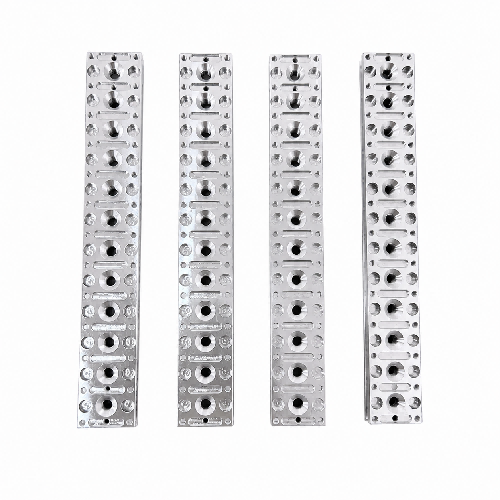
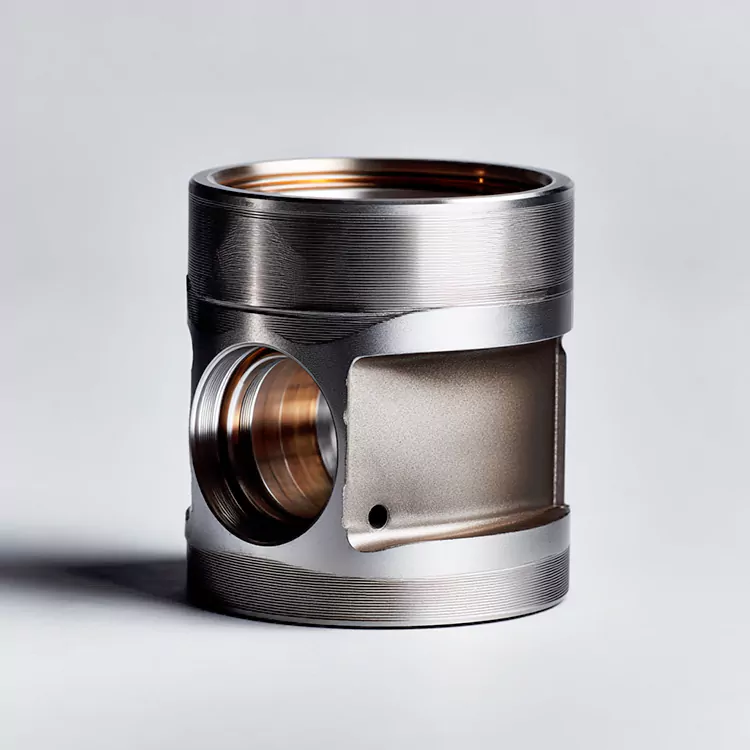
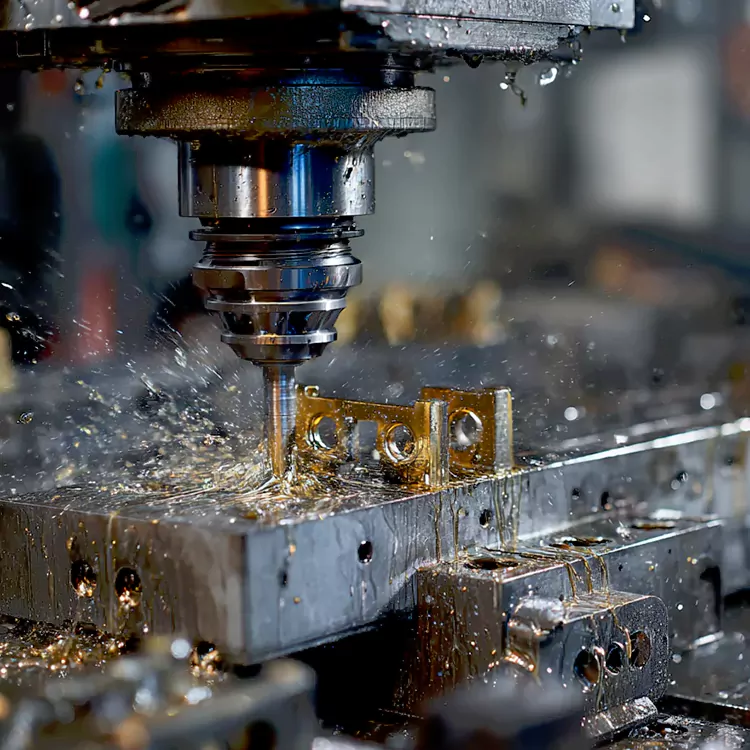
The 5-Axis CNC Machined Auto Parts from Honmor address this challenge by adding two rotational axes (A and C) to the standard X, Y, and Z linear axes. This allows the cutting tool to approach the workpiece from virtually any angle in a single setup. Complex features such as curved surfaces, inclined holes, and irregular contours can be machined in one operation, eliminating repositioning errors and improving overall part quality. This capability is particularly valuable for components like transmission housings, chassis brackets, and battery enclosures, where precision and geometric consistency are critical.
Key Advantages of 5-Axis CNC Machined Auto Parts
The shift to 5-axis machining offers several measurable benefits for automotive component production.
Superior Assembly Compatibility
Automotive systems such as transmissions and steering mechanisms require parts that fit together with minimal gaps. The components achieve a machining tolerance of ±0.005mm, significantly tighter than the ±0.02mm typical of 3-axis parts. This precision ensures consistent geometric alignment, reducing assembly friction, noise, and the risk of premature wear. For each order, Honmor provides 3D assembly simulation reports to verify compatibility with other components, reducing the risk of assembly failures.
Efficient Mass Production
For manufacturers with high-volume requirements, the 5-axis CNC production line can achieve a daily output of over 800 parts—approximately 30% higher than traditional machining lines. The single-setup capability eliminates repositioning time; for example, a new energy vehicle battery housing with six inclined mounting holes can be fully machined in 12 minutes, compared to 25 minutes with 3-axis machining. This efficiency helps clients meet tight automotive production schedules when sourcing or ordering in bulk.
Adaptability to Complex Automotive Structures
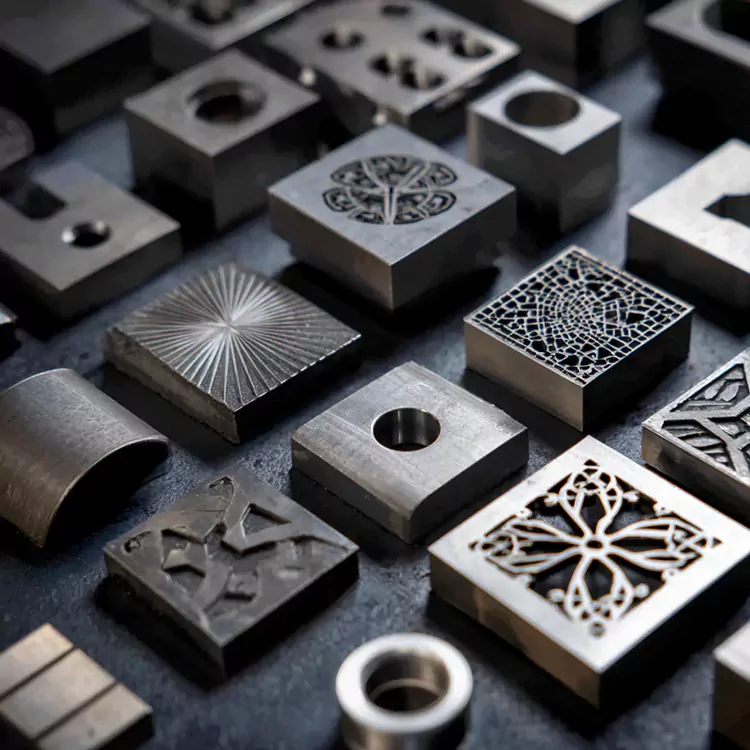
Modern vehicles, particularly electric vehicles, feature increasingly complex part designs—integrated chassis brackets with curved surfaces, motor end covers with multi-angle cooling channels, and lightweight structural components. The rotational axes adjust the workpiece angle in real time, allowing cutting tools to reach areas that would be inaccessible with 3-axis machines. When customers customize these parts, Honmor's engineers optimize the processing path based on 3D models to ensure the final components meet structural strength and lightweight requirements simultaneously.
Technical Specifications
The following table summarizes the key specifications for the 5-Axis CNC Machined Auto Parts from Honmor.
| Parameter | Unit | Standard Value | Customization Range |
| Processing Materials | - | Aluminum 6061-T6, Stainless 304, 42CrMo | Aluminum (5052/7075), Stainless (316L), High-Strength Steel |
| Machining Tolerance | mm | ±0.005 | ±0.003 – ±0.01 |
| Surface Roughness | μm (Ra) | 0.8 | 0.4 – 1.6 |
| Maximum Part Size | mm | 600×500×400 | 100×80×50 – 800×600×500 |
| Production Cycle | Days | 5 – 12 | 3 – 20 (based on quantity) |
| Quality Standard | - | IATF 16949 | IATF 16949, ISO 9001 |
These specifications reflect the product's suitability for demanding automotive applications, with flexibility to accommodate different materials, tolerances, and production volumes.
Applications Across Automotive Sectors
The 5-Axis CNC Machined Auto Parts are used in a variety of automotive applications:
• New energy vehicle battery systems – Battery housings and cooling plate brackets require both precision and corrosion resistance. Components achieve flatness tolerance of ≤0.002mm, ensuring tight sealing between the shell and cover. In one case, a Chinese NEV manufacturer customized 10,000 battery cooling brackets that passed 1,000 hours of salt spray testing.
• Automotive chassis systems – Control arms, suspension brackets, and other chassis components require high structural strength and dimensional accuracy. Parts are processed from high-strength steel with perpendicularity tolerance of ≤0.004mm between mounting holes. A US pickup truck manufacturer reported that these parts withstood over 500,000 vibration cycles without deformation, meeting a ten-year vehicle lifespan requirement.
• Transmission and drivetrain – Gear housings, shafts, and other transmission components benefit from the precision and geometric consistency of 5-axis machining.
• Motor and cooling systems – End covers and cooling channel components for electric motors require complex geometries that 5-axis machining can produce efficiently.
• Prototype and low-volume production – The flexibility of 5-axis machining makes it suitable for custom prototype parts and small-batch production for specialty vehicles.
Procurement and Customization Process
The process for sourcing customized components follows a structured workflow designed to ensure quality and efficiency.
Demand Communication
Clients provide 3D drawings with material, tolerance, surface treatment specifications, order quantity, and delivery date. Engineers analyze the feasibility of the design for 5-axis CNC machining and provide cost-saving recommendations where possible.
Quotation and Confirmation
A detailed quotation is provided within 24 hours, covering material cost, machining fees, and inspection costs. A production schedule is established upon receipt of the deposit.
Sample Confirmation
For customized parts, 2-5 samples are produced first. Dimensional inspection and material testing are conducted, and reports are sent to the customer. Any required modifications are made until approval is received.
Mass Production and Delivery
Once samples are approved, mass production begins. Random inspections are conducted every 2 hours to ensure consistency. Final parts are packed in collision-resistant boxes with moisture-proof layers for transit. With long-term partnerships with DHL and FedEx, delivery to global automotive factories is ensured on time.
Frequently Asked Questions
Q: What is the main advantage of 5-axis CNC machining over 3-axis for automotive parts?
A: 5-axis machining allows for multi-face processing in a single setup, eliminating cumulative errors from repeated clamping and achieving tighter tolerances (±0.005mm). It also significantly reduces production time for complex parts.
Q: What materials can be used for these parts?
A: Common materials include aluminum alloy 6061-T6, stainless steel 304, and high-strength steel 42CrMo. Other materials such as 5052 aluminum, 7075 aluminum, 316L stainless steel, and various high-strength steels are available upon request.
Q: What is the typical tolerance for these components?
A: Standard tolerance is ±0.005mm, with ultra-precision capability down to ±0.003mm for specialized applications.
Q: Does Honmor provide design support or optimization?
A: Yes, engineers analyze the design for manufacturability and provide recommendations for cost and performance optimization based on 3D models.
Q: What quality standards does Honmor follow?
A: The company operates under IATF 16949 and ISO 9001 quality management systems, ensuring compliance with automotive industry requirements.
Q: What is the typical lead time for custom orders?
A: Production cycles range from 5 to 12 days, depending on order quantity and complexity. Expedited options are available for urgent requirements.
Conclusion
The 5-Axis CNC Machined Auto Parts from Honmor provide a practical solution for manufacturers requiring high-precision, complex automotive components. With tolerances down to ±0.005mm, efficient single-setup production, and the ability to handle complex geometries, these parts meet the demands of new energy vehicles, chassis systems, and other critical automotive applications. Backed by IATF 16949 certification, rigorous quality control, and over 12 years of manufacturing experience, Honmor delivers reliability and performance. For inquiries, technical specifications, or to discuss your project requirements, contact the Honmor team—they are ready to provide professional guidance and competitive solutions for your automotive component needs.
Related News
- What Makes Complex 5 Axis CNC Machining Parts the Backbone of Advanced Manufacturing?
- Why High Tolerance Titanium Turned Parts Are the Backbone of Aerospace and Medical Innovation?
- Why Are CNC Aluminum Turned Parts the Preferred Solution for Lightweight, High-Precision Components?
- Can Fast 3D Printed Prototypes Really Accelerate Your R&D and Reduce Costs?
- CNC Prototype Metal Components: Why Are They Essential for Your Next Project
- Why Does Swiss Type Lathe Turning Keep Precision Parts Stable When Everything Else Starts to Flex?
Leave me a message