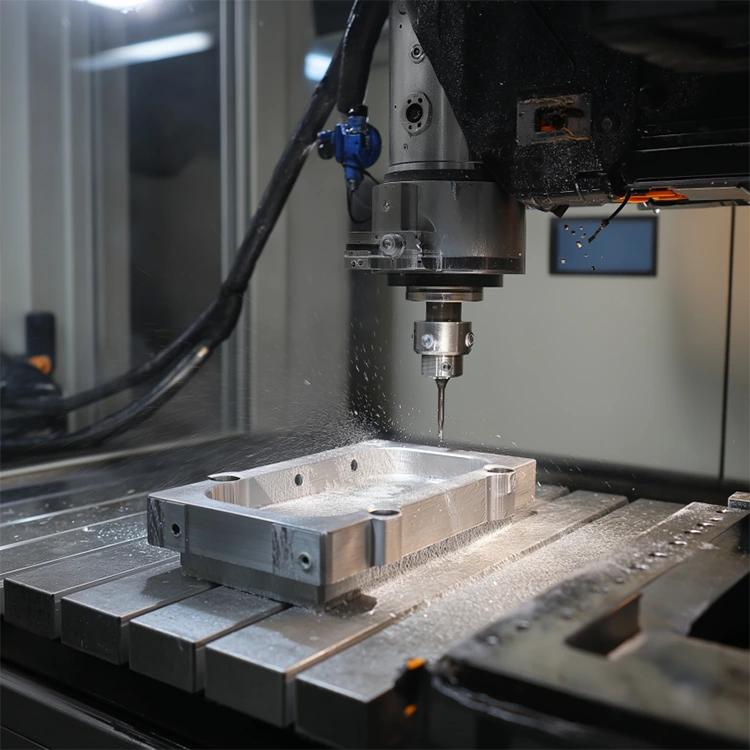
How Do People Choose Between 3D Printing And Traditional Plastic Manufacturing?
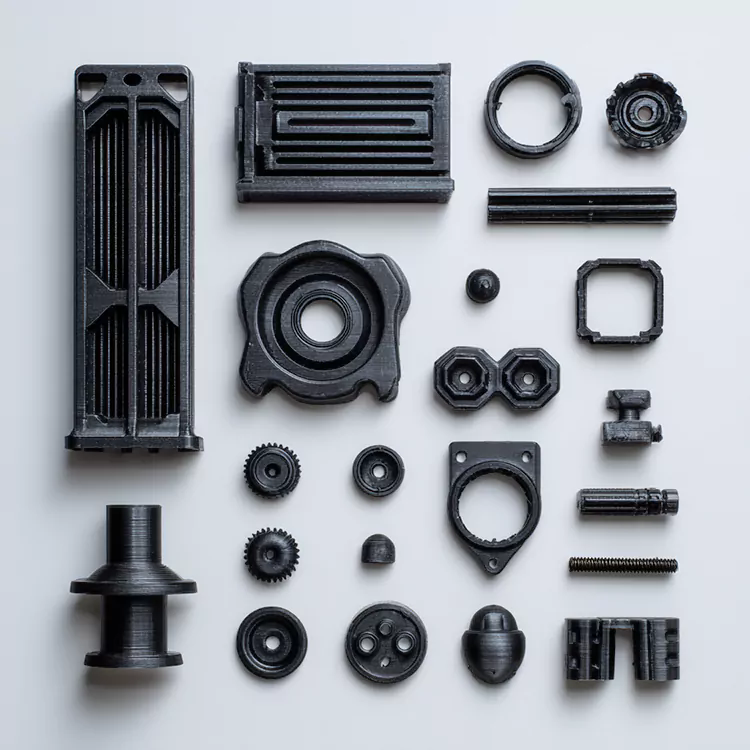
When manufacturers compare 3D printing with traditional plastic processes such as injection molding or CNC machining, the first factor they consider is production scale. Small batch runs benefit from the flexibility of 3D printing, especially when projects require rapid adjustments or multiple design revisions. Larger volumes usually lean toward traditional tooling because the cost per unit drops significantly once molds are completed. In our daily production planning, our factory evaluates not only the part geometry but also the expected annual usage. Shenzhen Honmor Precision Technology Co., Ltd. often supports customers who need quick prototypes as well as long-term production solutions. For buyers searching for high-accuracy Plastic 3D Printed Components, the initial decision usually revolves around speed, cost, and engineering tolerances.
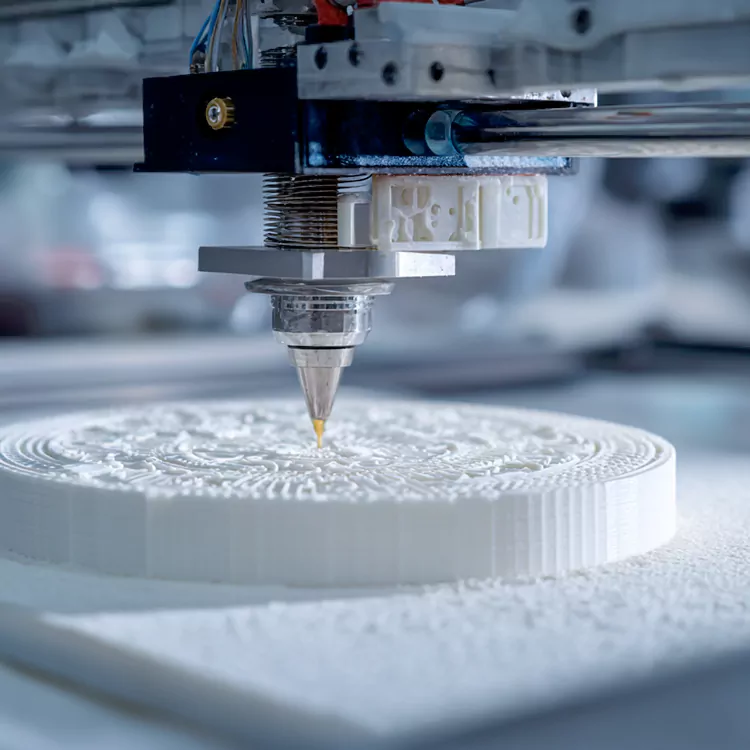
Evaluating Mechanical Performance And Material Options
Material selection influences how people choose between these two methods. Traditional plastic manufacturing offers a wide range of engineered resins, including ABS, nylon, PC, and reinforced composites. These materials provide predictable mechanical strength and stable thermal properties, making them ideal for structural parts. On the other hand, 3D printing materials have expanded quickly, offering functional grades suitable for jigs, fixtures, housings, and customized components. In our experience, our customers often request guidance on whether a part’s load-bearing requirements match the capabilities of Plastic 3D Printed Components. Shenzhen Honmor Precision Technology Co., Ltd. provides detailed testing reports to help buyers understand tensile strength, impact resistance, and heat deflection to ensure the final part meets application needs.
| Category | 3D Printing | Traditional Plastic Manufacturing |
| Best For | Low to medium volumes, prototypes, customized designs, complex geometries | Medium to high volumes, long-term production, stable repeatability |
| Material Range | Growing selection of engineering plastics and composites | Wide and mature plastic resin system |
| Lead Time | Fast; no tooling required | Longer due to mold fabrication |
| Design Flexibility | High; supports frequent changes | Moderate; mold-dependent |
Considering Dimensional Accuracy And Surface Quality Requirements
Buyers place strong emphasis on tolerance control and finishing standards. Traditional molding excels in repeatability, delivering consistent dimensions across thousands of units. The surface texture is also more predictable, with options ranging from matte to gloss depending on tooling. In our production workflow, our factory frequently handles projects requiring hybrid approaches: using Plastic 3D Printed Components for early-stage fit checks while preparing molds for mass production. This dual method gives buyers both speed and precision. Shenzhen Honmor Precision Technology Co., Ltd. has dedicated metrology equipment to ensure that printed parts and molded parts can be measured under the same quality criteria, especially when assemblies involve multiple mating components.
Production Speed, Cost Structure, And Lead-Time Expectations
The economic comparison is another crucial factor. 3D printing eliminates tooling expenses, which means lower upfront costs. It becomes the preferred option for customized items, pilot runs, and low-volume production. However, as soon as order quantities climb, traditional molding becomes more cost-effective. Our engineers often calculate cost-per-part models early in the quoting stage so buyers can decide whether to keep using Plastic 3D Printed Components or transition to molded parts. In our communication with procurement teams, our factory also emphasizes the importance of mold lifespan, cycle time, and resin supply stability. These considerations influence long-term production feasibility and budgeting for industrial customers.
| Parameter | 3D Printed Parts | Molded Plastic Parts |
| Upfront Investment | Low | High (tooling required) |
| Per-Unit Cost | Higher for large volumes | Lower at high volumes |
| Typical Lead Time | Hours to days | Weeks for tooling plus production time |
| Design Changes | Instant updates | Tool modification required |
Analyzing Customization Needs And Product Development Cycles
For industries such as medical devices, robotics, and consumer electronics, fast design iteration is essential. 3D printing allows engineers to test multiple concepts without committing to expensive mold changes. Our customers frequently request flexible development timelines, which makes Plastic 3D Printed Components an ideal early-stage choice. As a project matures, the decision usually shifts toward traditional molding to meet durability and cost requirements. Shenzhen Honmor Precision Technology Co., Ltd. supports both stages, providing printed prototypes followed by mold-ready engineering files. Through our workflow, our factory ensures smooth transitions from concept models to fully industrialized parts.
Compliance, Testing, And Quality Documentation
Industrial buyers must also review certifications and conformity requirements. Traditional plastic methods offer robust compliance pathways for UL-rated materials, REACH, RoHS, and automotive standards. 3D printing is rapidly catching up, with increasing numbers of certified materials available. Our engineering team documents mechanical testing results so clients can compare plastic 3D printed components with their molded counterparts. In our daily operations, our factory ensures traceability for every batch, including material lot numbers and inspection reports. These records help reduce project risk and ensure that large-scale buyers can rely on consistent quality.
FAQs About How Do People Choose Between 3D Printing And Traditional Plastic Manufacturing?
Q1: How Do People Choose Between 3D Printing And Traditional Plastic Manufacturing based on cost?
Buyers typically evaluate whether tooling expenses can be justified by long-term production volumes. If a project requires frequent design updates or low annual usage, 3D printing is more economical. When ordering thousands of identical units, traditional molding reduces the cost per unit significantly. This decision often depends on lifecycle projections, budget constraints, and time-to-market goals.
Q2: How Do People Choose Between 3D Printing And Traditional Plastic Manufacturing when surface finish matters?
Surface finish expectations influence the final choice. Molded parts provide smooth textures and consistent appearance, making them ideal for consumer-facing components. 3D printing offers good functional quality, but often requires additional finishing for aesthetic surfaces. Buyers who prioritize cosmetic standards generally select molded parts once designs are finalized.
Q3: How Do People Choose Between 3D Printing And Traditional Plastic Manufacturing for engineering validation?
Engineering teams often use 3D printing during verification stages because it allows quick iterations and testing of multiple concepts. Once performance requirements are confirmed and the design stabilizes, they shift to traditional molding to ensure repeatability and long-term durability. This workflow shortens development cycles while maintaining production reliability.
Conclusion
Choosing between 3D printing and traditional plastic manufacturing depends on production volume, performance requirements, and long-term cost planning. Each method has advantages, and many projects successfully use both during different stages of development. Shenzhen Honmor Precision Technology Co., Ltd. provides complete support from prototype printing to mass-production tooling so buyers can select the option that best fits their engineering goals. If you need expert guidance, detailed quotations, or technical evaluation for your next project, contact us today and our team will help you choose the most suitable manufacturing solution.
Related News
- What Makes Complex 5 Axis CNC Machining Parts the Backbone of Advanced Manufacturing?
- Why High Tolerance Titanium Turned Parts Are the Backbone of Aerospace and Medical Innovation?
- Why Are 5-Axis CNC Machined Auto Parts the Smart Choice for Complex Automotive Components?
- Why Are CNC Aluminum Turned Parts the Preferred Solution for Lightweight, High-Precision Components?
- Can Fast 3D Printed Prototypes Really Accelerate Your R&D and Reduce Costs?
- CNC Prototype Metal Components: Why Are They Essential for Your Next Project
Leave me a message