How Can CNC Plastic Machining Prototypes Transform Product Development?
CNC plastic machining prototypes have become an essential tool for companies seeking precision, efficiency, and versatility in product development. By leveraging advanced computer numerical control (CNC) systems, these prototypes allow manufacturers to create high-accuracy plastic components with complex geometries, fast turnaround times, and repeatable quality. Unlike traditional methods, CNC machining enables rapid iteration from concept to functional prototype, ensuring that products meet exact specifications before mass production.
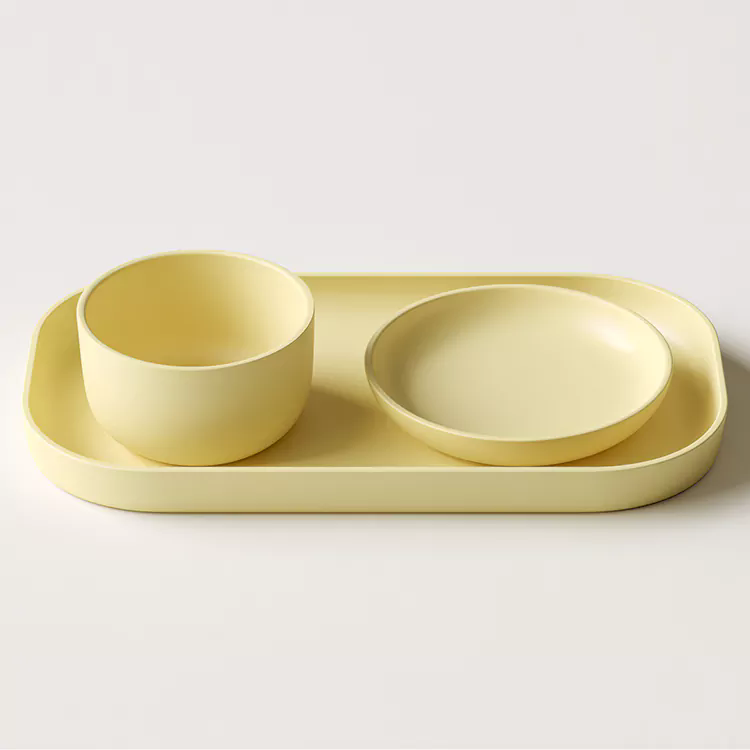
CNC Plastic Machining Prototype Overview
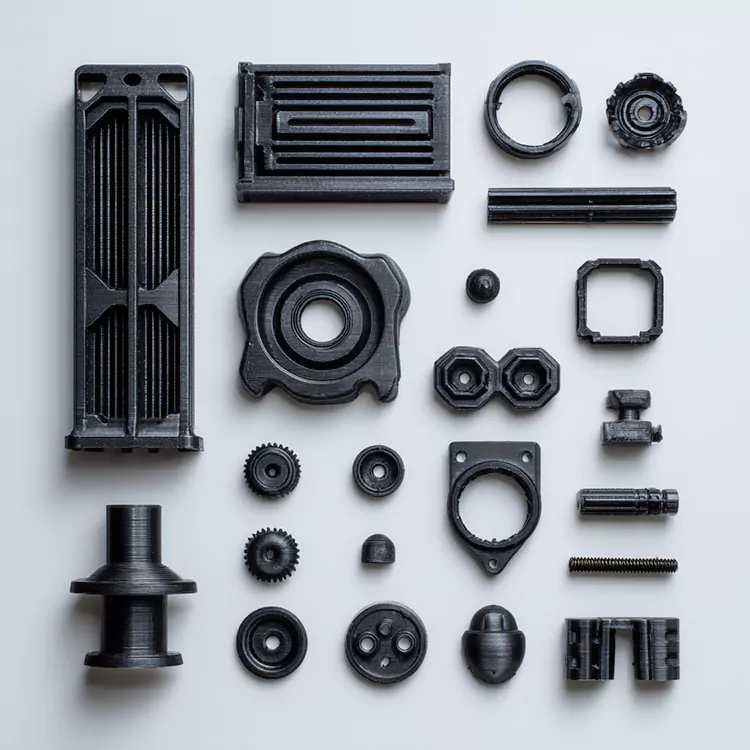
CNC plastic machining prototypes are produced using computer-controlled machines that precisely cut, mill, drill, and shape plastic materials into desired forms. This process is highly suitable for creating small to medium production runs, functional prototypes, and parts requiring intricate designs. Key product parameters include:
| Parameter | Specification |
|---|---|
| Material Type | ABS, PC, PMMA, Nylon, PEEK, PP, PETG, PVC |
| Tolerance | ±0.01 mm – ±0.05 mm |
| Surface Finish | Ra 0.4 – Ra 1.6 µm |
| Maximum Workpiece Size | 600mm × 400mm × 300mm |
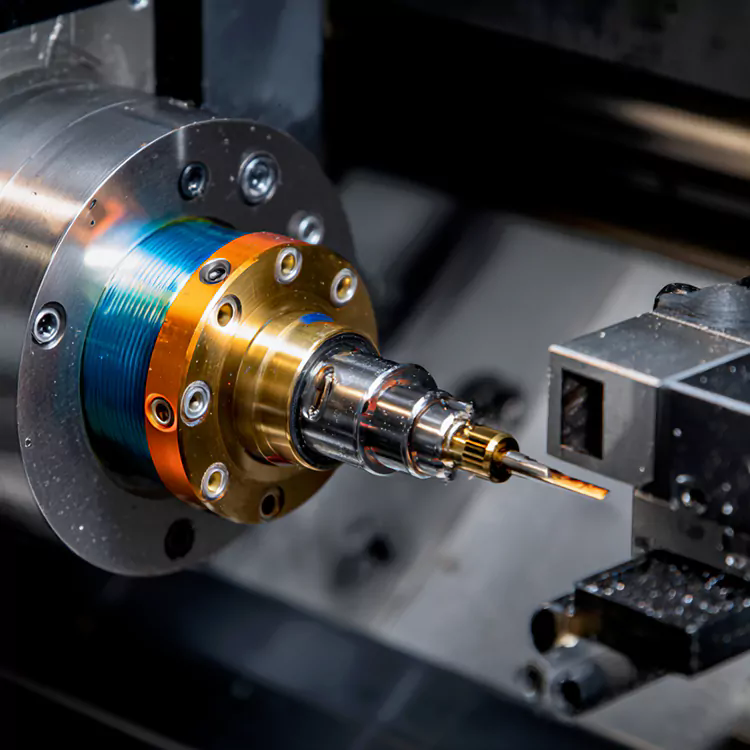
| Machine Type | 3-axis to 5-axis CNC milling machines |
| Prototype Production Time | 1–7 business days (depending on complexity) |
| Post-Processing Options | Polishing, deburring, painting, anodizing |
| Applications | Functional prototypes, end-use parts, custom components |
The high precision, repeatability, and material versatility make CNC plastic machining an ideal choice for product development in industries such as automotive, electronics, medical devices, consumer products, and aerospace.
How Does CNC Plastic Machining Prototype Improve Product Development Efficiency?
CNC plastic machining prototypes provide a combination of speed and accuracy that traditional fabrication methods cannot match. By converting digital 3D CAD models directly into physical parts, the technology eliminates multiple steps in traditional manufacturing, reducing errors and accelerating design validation. Key advantages include:
-
High Precision and Accuracy – CNC machining ensures dimensional tolerances as tight as ±0.01 mm, allowing for exact fits and functional testing of components.
-
Rapid Iteration – Prototypes can be produced in days rather than weeks, facilitating multiple design iterations without significant delays.
-
Material Flexibility – From durable engineering plastics like PEEK to lightweight polymers like PMMA, CNC machining supports a wide range of material properties to simulate real-world performance.
-
Complex Geometry Handling – 3-axis to 5-axis machines can create intricate designs, including undercuts, threads, and cavities, which are difficult to achieve with injection molding or 3D printing alone.
-
Cost-Effective Low-Volume Production – CNC prototypes eliminate expensive mold costs, making small batch production economically viable for startups and R&D departments.
By integrating CNC plastic prototypes into the product development lifecycle, companies can reduce risk, minimize waste, and ensure faster market entry.
How Can CNC Plastic Machining Prototypes Drive Innovation Across Industries?
The applications of CNC plastic machining prototypes extend beyond simple design validation. The technology enables functional testing, aesthetic evaluation, and custom manufacturing across multiple sectors.
-
Automotive Industry – High-precision prototypes are used to validate components like dashboards, switches, and internal mounts, ensuring perfect alignment and durability before large-scale production.
-
Medical Devices – Biocompatible plastics allow CNC machining to produce surgical instruments, housing for diagnostic devices, and wearable prototypes with stringent safety standards.
-
Electronics – Custom enclosures, connectors, and mounting brackets are produced rapidly, allowing engineers to test thermal performance and mechanical fit.
-
Consumer Products – From kitchen appliances to smart devices, CNC machining supports detailed surface finishes and complex geometries that enhance product appeal.
-
Aerospace – Lightweight engineering plastics, machined to tight tolerances, are used for non-critical components where performance, durability, and weight reduction are key.
Looking forward, CNC plastic machining is expected to integrate more with Industry 4.0 technologies, including AI-driven process optimization, automated tool changing, and cloud-based design collaboration. These advancements promise faster prototype cycles, improved sustainability, and higher production consistency.
CNC Plastic Machining Prototype FAQ
Q1: How long does it take to produce a CNC plastic prototype?
A1: Production time varies depending on the complexity and size of the component. Standard prototypes can be delivered in 1–7 business days. Simple parts with minimal post-processing can be completed faster, while large or intricate designs may require additional finishing time.
Q2: How precise are CNC plastic prototypes compared to injection-molded parts?
A2: CNC plastic prototypes offer excellent precision, with tolerances ranging from ±0.01 mm to ±0.05 mm. While injection molding can achieve similar tolerances for large production runs, CNC machining is ideal for low-volume production and functional testing where rapid iteration is crucial. The surface finish and dimensional stability of CNC prototypes allow engineers to simulate final product performance accurately.
These questions highlight the practical considerations for engineers and product managers when selecting CNC plastic machining for prototyping purposes.
How to Choose the Right CNC Plastic Machining Prototype Service?
Selecting a reliable CNC plastic machining provider is essential for ensuring prototype quality, material compatibility, and timely delivery. Consider the following factors:
-
Material Expertise – Ensure the provider supports a wide range of plastics suitable for your application, including engineering-grade materials.
-
Machine Capability – Verify whether 3-axis, 4-axis, or 5-axis machines are available for handling complex geometries.
-
Quality Assurance – Check for inspection processes, including dimensional measurement, surface finish verification, and tolerance adherence.
-
Post-Processing Options – Confirm availability of secondary operations such as polishing, painting, or assembly services.
-
Customer Support – A responsive team can guide design optimization, troubleshoot potential manufacturing challenges, and provide clear timelines.
At Honmor, CNC plastic machining services combine advanced machinery, experienced engineers, and a commitment to precision. This ensures that prototypes meet client expectations and can seamlessly transition into mass production.
Contact us today to learn more about how Honmor can accelerate your product development journey with high-quality CNC plastic machining prototypes.
Related News
- What Makes Complex 5 Axis CNC Machining Parts the Backbone of Advanced Manufacturing?
- Why High Tolerance Titanium Turned Parts Are the Backbone of Aerospace and Medical Innovation?
- Why Are 5-Axis CNC Machined Auto Parts the Smart Choice for Complex Automotive Components?
- Why Are CNC Aluminum Turned Parts the Preferred Solution for Lightweight, High-Precision Components?
- Can Fast 3D Printed Prototypes Really Accelerate Your R&D and Reduce Costs?
- CNC Prototype Metal Components: Why Are They Essential for Your Next Project
Leave me a message