Lightweight Plastic 3D Printed Components from China Factory
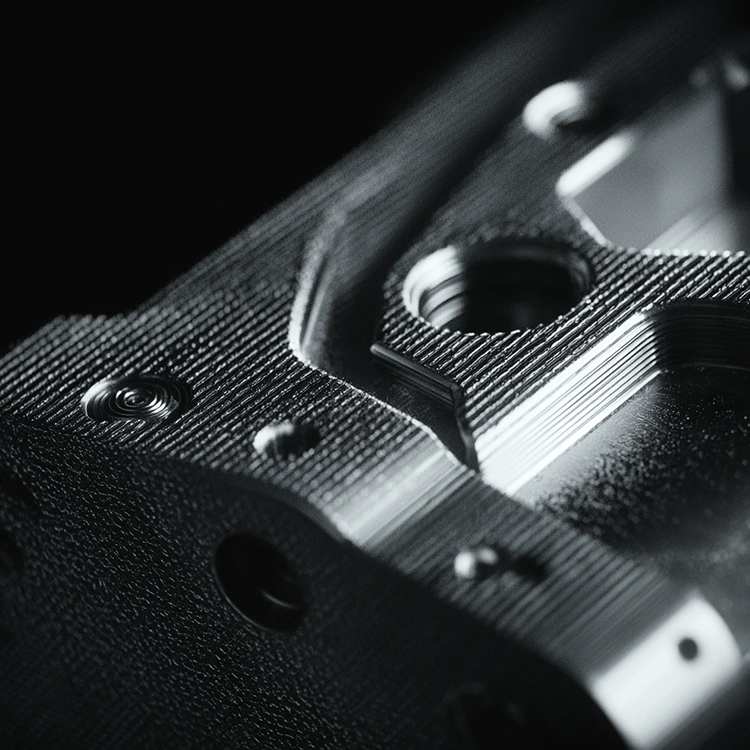
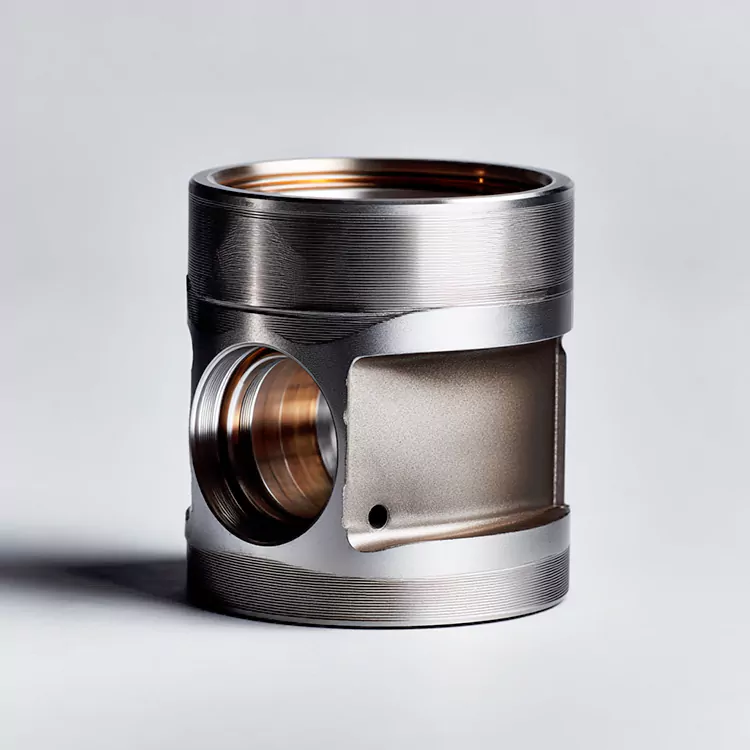
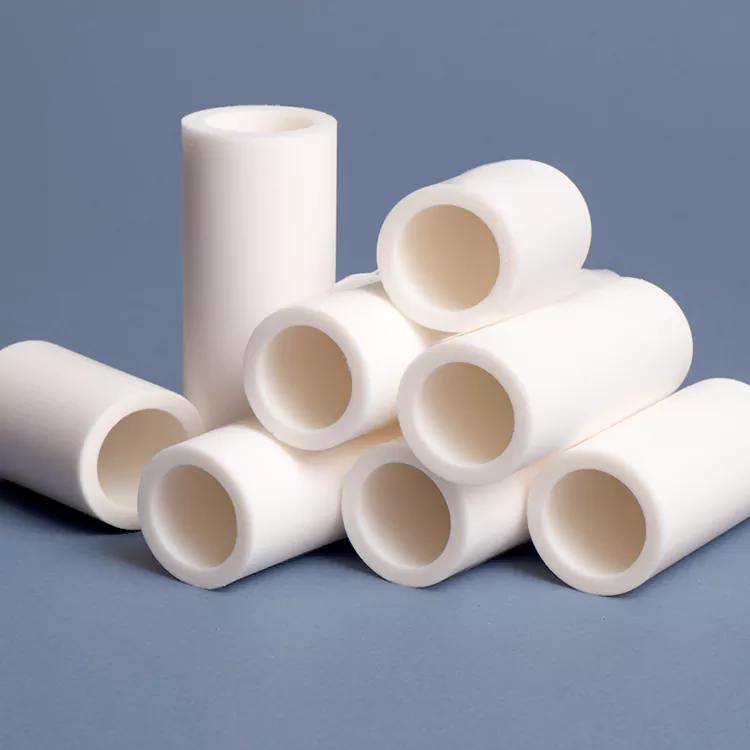
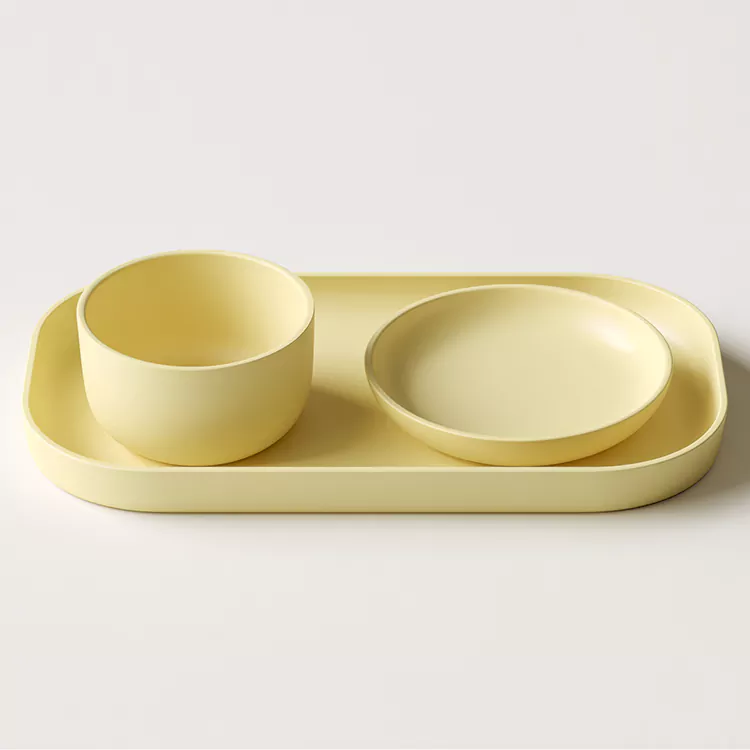
Honmor, a China well-equipped plastic 3D printed components supplier, focuses on providing high-performance plastic 3D-printed parts to meet global clients’ procurement needs and offering rapid, custom-made parts for prototyping, low-volume production, specializing applications across electronics, medical and industrial sectors. We can provide 3D Printed Plastic Parts, Consumer Product 3D Printing Service, Rapid 3D Printing Prototyping Services for customers.
Company’s advantages: multi-technology expertise and rapid cycle
Honmor’s plastic 3D printed components and rapid 3D printed prototyping service are excellent among peers by virtue of technical versatility and speed, which can effectively handle procurement priorities like quick design validation and flexible production. Different from single process supplier, Honmor integrated three core 3D printed technology: SLA, suitable for high-precision, smooth surface; FDM, suitable for durable and cost-effective parts; SLS, suitable for heat-resistant components.
What’s the selling point: Precision and material customization
The core advantage of Honmor’s 3D plastic printed components is their precision and diverse availability of materials, which is vital for those procurement teams who are in need of specific function. Components produced by SLA can reach the dimensional accuracy of ±0.1mm, suitable for micro-connectors or prototype casings; those processed by FDM are suitable for engineering-grade filaments for flexibility or impact resistance, while which machined by SLS are used for nylon-based powders for high-temperature stability. Honmor also provides a series of post-machining service such as sanding, painting, and vapor smoothing to enhance surface finish.
Diverse application for specialized industry needs
Honmor’s plastic 3D printed components are designed especially for procurement demands in sectors where customization and speed are critical. In consumer electronic sector, they are produced as rapid prototypes of earbud shells, smartphone stands and smartwatch bands, which allows brands to test ergonomics before mass production. In the field of medical industry, Honmor help customers to customize surgical guides and diagnostic device housings by using biocompatible resins which are required maintain strict compliance of ISO 10993 standards to ensure patient safety.
- View as

3D Printed Plastic Parts
China 3D Printed Plastic Parts are additively manufactured custom components; Honmor lets clients customize, order, and purchase them via FDM/SLA/SLS tech—ideal for consumer electronics, home decor, and education—with fast delivery and precision tailored to every order.

Consumer Product 3D Printing Service
Honmor cheap Consumer Product 3D Printing Service delivers custom 3D-printed consumer items; Honmor lets clients customize, order, purchase via FDM/SLA/SLS—ideal for gifts, home storage, sports gear—fast and precise for every order.

Rapid 3D Printing Prototyping Services
Low price Rapid 3D Printing Prototyping Services deliver fast R&D prototypes; Honmor lets clients customize, order, purchase via FDM/SLA/SLS—fit for electronics, auto, medical R&D—ensuring quick iteration for every order.
Honmor is a professional Plastic 3D Printed Components manufacturer and supplier in China. We warmly welcome you to wholesale high-quality products at competitive prices from our factory.