One-Stop Machining Service and Prototyping for Product Development
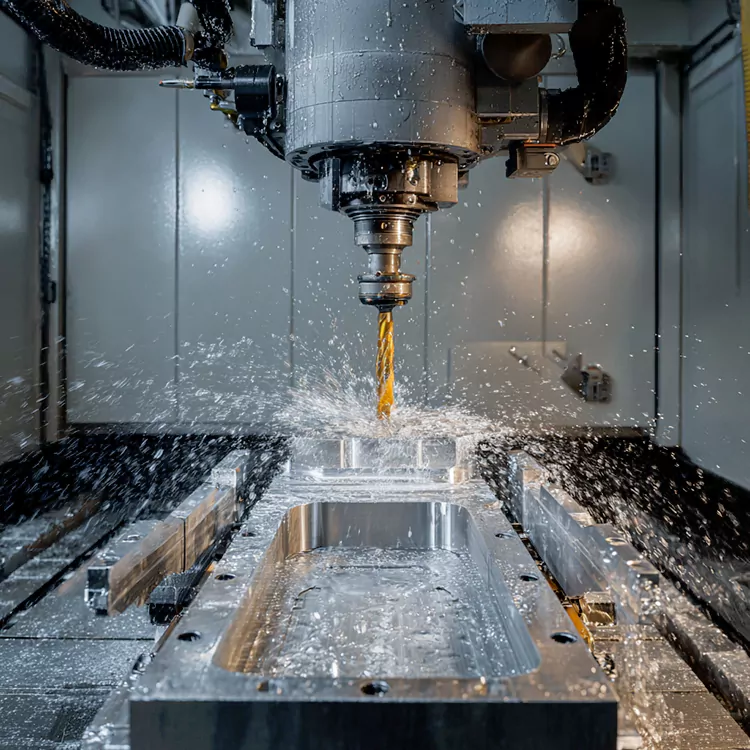
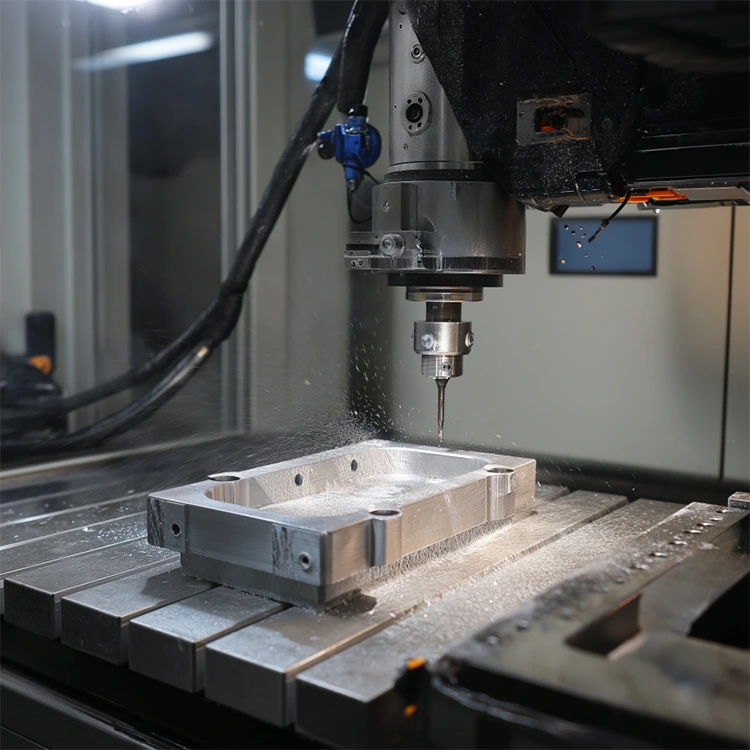
Honmor, a professional machining service and prototyping supplier, specializes in providing customized end-to-end Personalized CNC Machining Service and Turnkey CNC Machining Solution, supporting fast design iteration, performance validation, and seamless scaling to mass production for industries with strict standards like medical and industrial equipment.
Company’s strength: industry-specific expertise and rapid iteration
Honmor’s machining service and prototyping are famous by virtue of their deep industry knowledge and agile adjustment capabilities, which directly handle a sticking point in procurement: research and development are hard to keep consistent with industry requirements. Unlike general providers, Honmor has specific teams according to different industries. For example, a team specializing in medical devices understands biocompatible materials and ISO 13485 standards. This expertise ensures prototypes and machined parts meet unique regulations from the start. Meanwhile, this service also supports fast iteration; Honmor is able to revise designs and produce updated prototypes within two weeks if customers need to modify a prototype.
Products’ strength: performance consistency and cost efficiency
Another core edge of Honmor’s service is its ability to maintain performance consistency between prototypes and final machined parts and provide cost-saving solutions simultaneously, which is vital for procurement teams who need to balance quality and budget. For prototypes, Honmor uses the same material as mass production instead of low-cost substitutes to ensure functional tests accurately reflect real-world performance, thereby avoiding possible costly rework later. This service also can optimize the cost by DFM support; engineers simplify parts geometries without compromising performance, lowering machining cost by 10-15% for large volume orders.
Application Scenarios: Serving High-Standard Industries
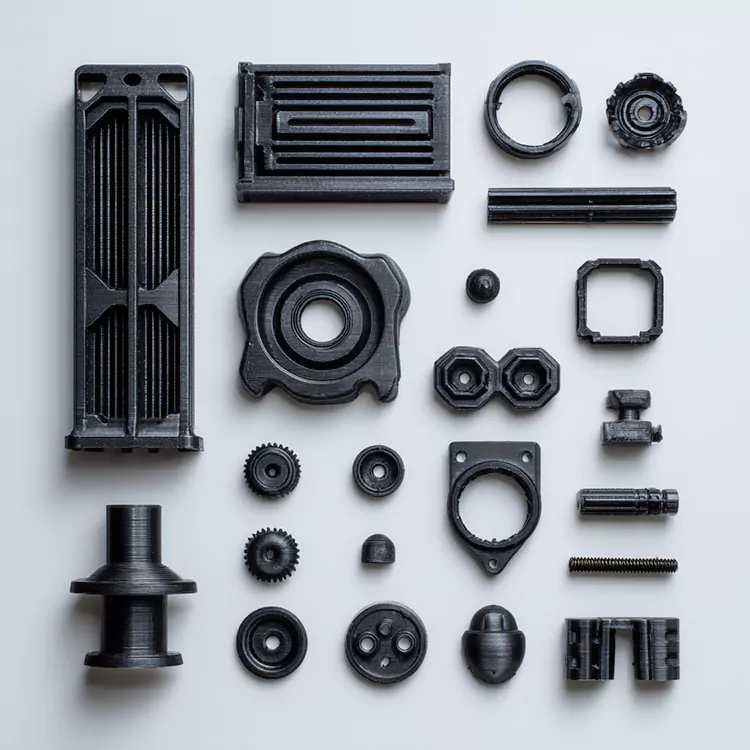
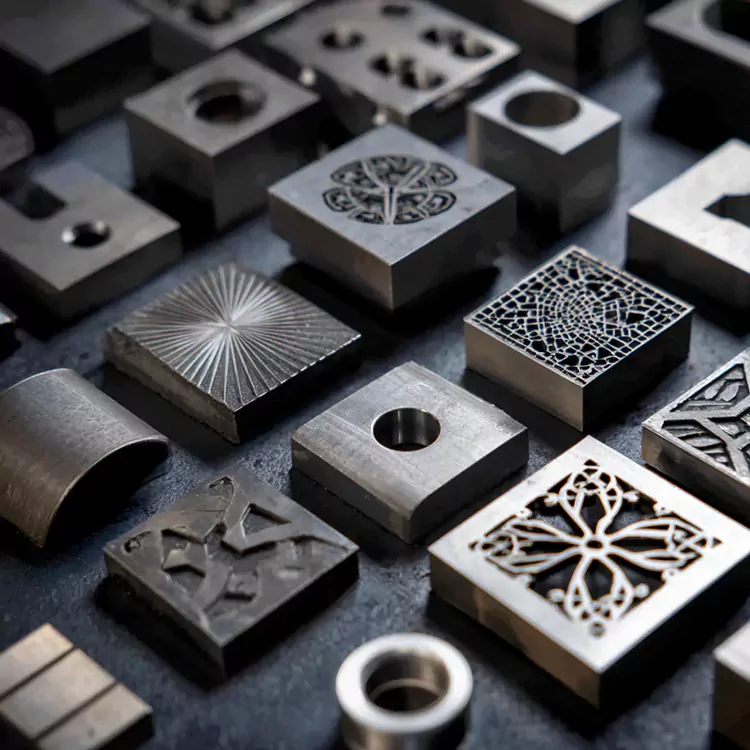
Honmor’s Machining Service and Prototyping caters to procurement demands in sectors where precision and reliability are non-negotiable. In the medical industry, it supports surgical instrument development: first, CNC-machined plastic prototypes test grip ergonomics and instrument alignment, then biocompatible metal (e.g., stainless steel 316L) is machined for final sterile tools. The industrial equipment field benefits too: prototypes of plastic sensor housings test environmental resistance (e.g., dust, moisture), while machined aluminum housings ensure durability in heavy machinery.
- View as

Personalized CNC Machining Service
China Personalized CNC Machining Service creates custom-machined parts for niche needs; Honmor lets clients customize, order, purchase via 3/5-axis CNC—ideal for medical aids, craft tools, musical accessories—ensuring tailored precision for every order.

Turnkey CNC Machining Solution
Cheap Turnkey CNC Machining Solution offers end-to-end CNC services (design to delivery); Honmor lets clients customize, order, purchase full-process support—ideal for industrial equipment, smart home, consumer electronics OEMs—ensuring seamless production for every order.

On-Demand Precision Machining
Low price On-Demand Precision Machining delivers custom, high-accuracy parts at short notice; Honmor lets clients customize, order, purchase small-to-mid batches (1–1000 pieces) via 3/5-axis CNC—ideal for emergency repairs, small-batch trials, lab research—ensuring fast response to every urgent or tailored order.

Sustainable CNC Machining Prototyping
China Sustainable CNC Machining Prototyping from Honmor creates eco-friendly prototypes via green materials & energy-saving processes; Honmor lets clients customize, order, purchase low-carbon solutions—ideal for green consumer electronics, eco-home R&D—ensuring sustainability for every prototype order.
Honmor is a professional Machining Service And Prototyping manufacturer and supplier in China. We warmly welcome you to wholesale high-quality products at competitive prices from our factory.