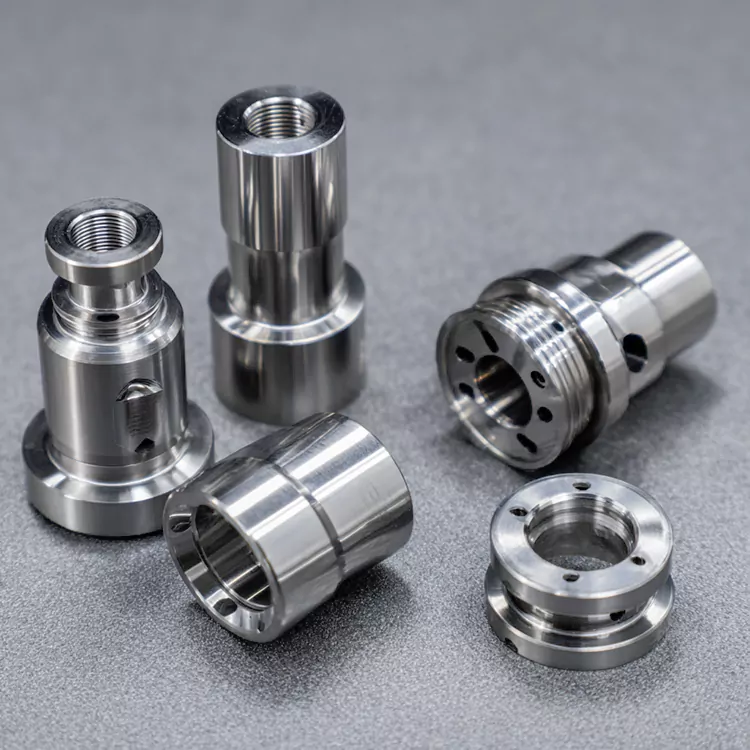
Fast and Accurate Rapid Prototyping Service for Product Development
Established in 2007, Honmor had become a professional manufacturer in the rapid prototyping industry, providing fast product development solutions to fulfill various procurement demands of global customers, thereby supporting quick validation of design concepts, functional testing, and small-batch trials for diverse industries like electronics, medical devices, automotive, and so on.
Company’s advantages: multi-technology support and ultra-fast turnaround.
Honmor’s rapid prototyping service, especially plastic 3D printed components have excellent performance in technical diversity and speed, which can directly support procurement teams’ core demand in accelerating products development cycles. Different from single-technology providers, Honmor combines three core prototyping methods, SLA 3D printing, CNC machining and vacuum casting. This diverse ability make customer can achieve one-stop procurement when facing different prototype types. Moreover, Honmor also provides free design review to optimize prototypes to see if it fall in the range of manufacturing, which help customers avoid costly rework during procurement.
What’s the selling point: precision and design flexibility
One of a key strength of Honmor’s rapid prototyping and high-strength metal 3D printed parts is their balance between precision and adaptability, which is critical for customers who are in the phase of iteration design. the 3D printed parts produced by Honmor reached a dimensional accuracy of ±0.1mm which ensures details like small holes or thin walls match design specs. Meanwhile, Honmor also supports material customization, from rigid ABS -like resine for structural test to flexible TPU for soft-touch prototypes. If customers need to adjust design, Honmor can finish it within 2days and re-machining prototypes, which effectively eliminates long wait times of procurement and launches.
Application Scenarios: Accelerating Innovation Across Industries
Diverse application scenarios accelerate innovation across industries.
Honmor’s rapid prototyping and CNC prototype service precisely satisfy the procurement needs in industries where speed-to-market is vital. In consumer electronics, it is produced as prototypes of smartphone cases, earbud shells or smartwatch frames, helping brand test ergonomics and aesthetics before formally launch. In automotive industry, it is usually used for interior components prototypes to test fit and function in vehicle cabins.
- View as

High-Strength Metal 3D Printed Parts
China High-Strength Metal 3D Printed Parts are advanced machining components; Honmor enables clients to customize, order, or purchase these parts via SLM/DMLS tech, using high-strength metals. They offer complex structures & high durability, fitting automotive, machinery, and medical industries. Honmor’s parts meet strict standards, ensuring reliability for every order or purchase, satisfying high-performance machining needs.

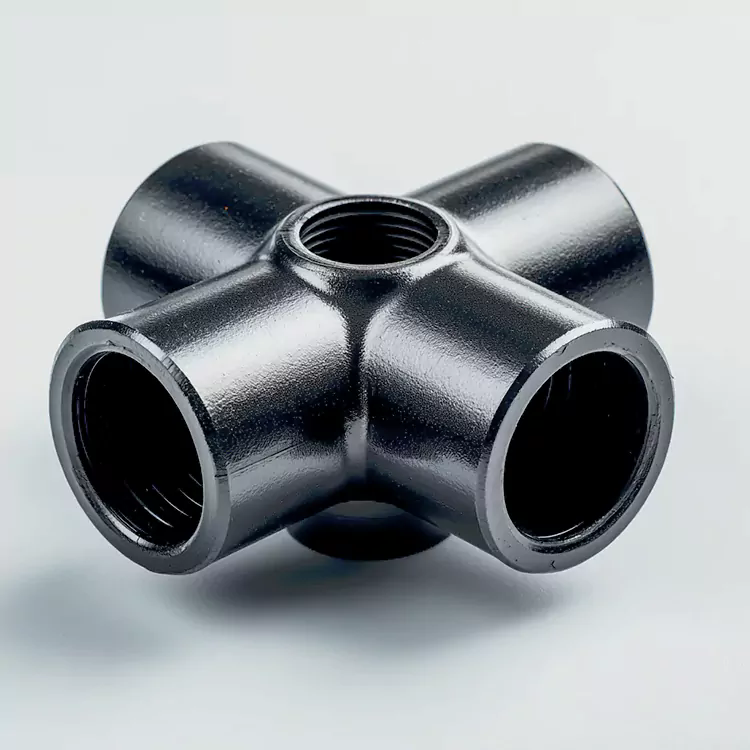
Plastic 3D Printed Components
Plastic 3D Printed Components are flexible machining parts; Honmor factory enables clients to customize, order, or purchase these via FDM/SLA tech, using plastics like ABS/PLA. They fit rapid prototyping & small-batch needs in automotive, electronics, and medical industries. Honmor’s parts meet strict standards, ensuring reliability for every order or purchase, satisfying flexible machining demands.

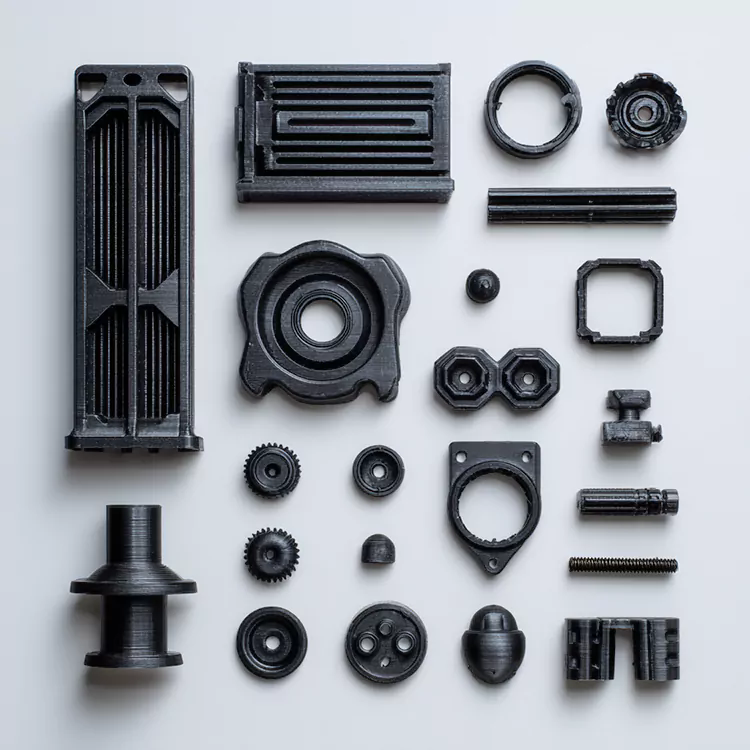
Fast 3D Printed Prototypes
Cheap Fast 3D Printed Prototypes are core iterative tools in machining; Honmor enables clients to customize, order, or purchase these prototypes via FDM/SLA tech, with delivery in 1-5 days. They fit urgent R&D trials in automotive, electronics, and medical industries, supporting rapid design verification. Honmor's prototypes are required to comply with strict precision standards thereby ensuring reliability for each order or purchase, satisfying time-sensitive machining R&D needs.

Rapid CNC Aluminum Prototype Parts
China Rapid CNC Aluminum Prototype Parts are high-precision R&D tools; Honmor lets clients customize, order, or purchase them via 5-axis CNC, with 1-7 day delivery. They fit automotive, electronics, and medical trials, ensuring reliability for every order or purchase.

CNC Prototype Services
CNC Prototype Services made in China are core R&D support in machining; Honmor enables clients to customize, order, or purchase them via 3/5-axis CNC tech, fitting auto, electronics, machinery R&D, ensuring reliability for every order or purchase, accelerating design verification.

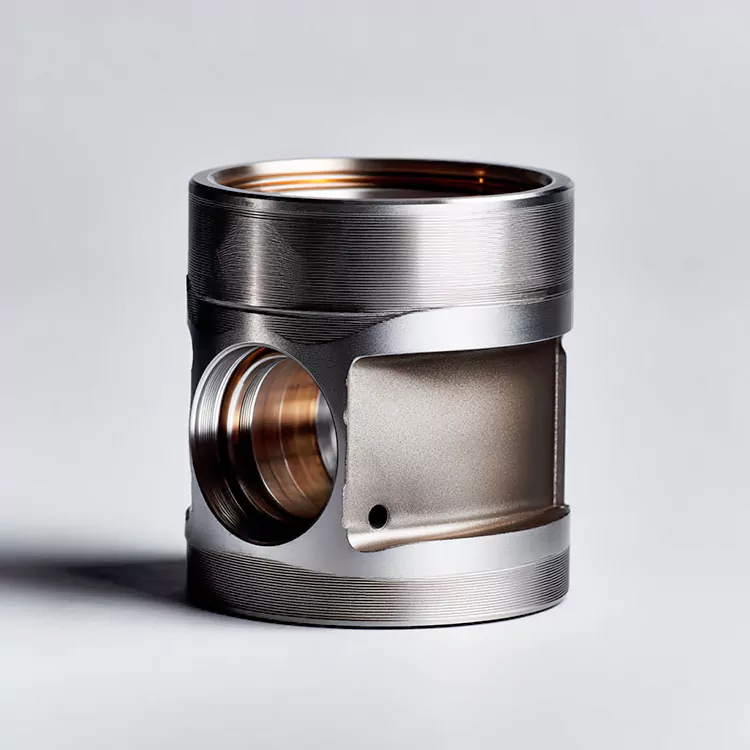
CNC Prototype Metal Components
CNC Prototype Metal Components made in China are key R&D prototypes in machining; Honmor enables clients to customize, order, or purchase them via precision CNC tech, using metals like aluminum, stainless steel, carbon steel. They fit auto, electronics, machinery R&D, ensuring reliability for every order or purchase, accelerating design verification and reducing trial costs.
Honmor is a professional Rapid Prototyping manufacturer and supplier in China. We warmly welcome you to wholesale high-quality products at competitive prices from our factory.