How Does Plastic Injection Mold Technology Shape Product Quality, Efficiency?
Plastic injection mold technology stands at the center of modern manufacturing, powering industries from automotive and medical devices to consumer electronics and packaging. As demand for precision, durability, and cost-optimized mass production grows, injection molds continue to evolve with new materials, enhanced engineering methods, and smarter manufacturing systems.
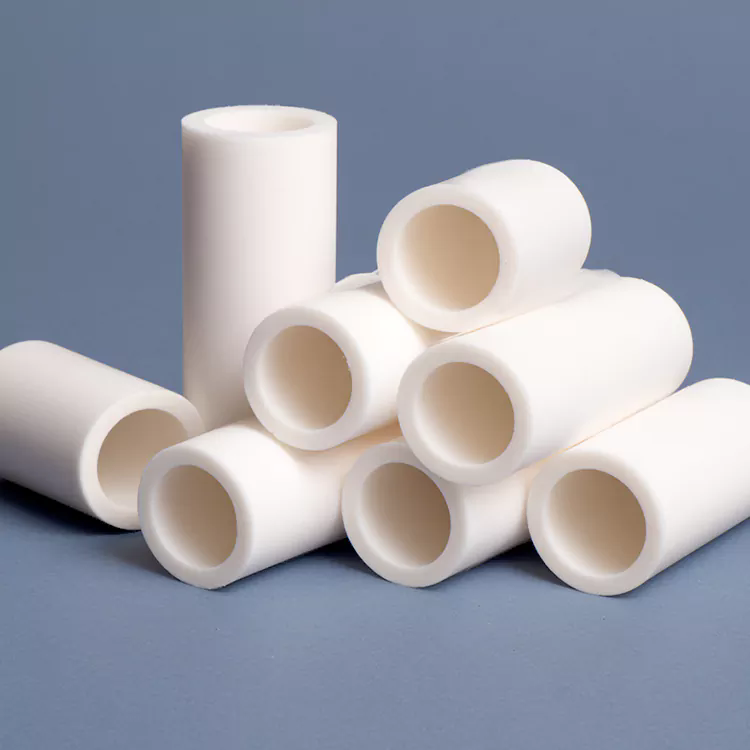
Understanding Plastic Injection Mold: How Does It Work and What Defines Its Quality?
Plastic injection molds serve as the tooling foundation for producing consistent, high-precision plastic components. A mold typically consists of a cavity, core, cooling system, runner system, ejector mechanism, and steel structure engineered for high pressure and long production cycles. The process relies on injecting molten resin into the mold cavity, cooling it, and ejecting the final part. The engineering quality of the mold directly determines product accuracy, surface finish, cycle time, and molding stability.
Below is a summarized specification table often used in high-quality mold manufacturing:
Plastic Injection Mold Technical Parameters
| Parameter Category | Specification Range / Description |
|---|---|
| Mold Base Material | P20, 718H, S136, H13, NAK80, customized hardened steels |
| Cavity & Core Steel | S136, H13, 1.2344, 1.2316, beryllium copper inserts |
| Mold Life | 300,000 – 1,500,000+ shots depending on steel hardness |
| Mold Cavity Count | Single cavity, multi-cavity (up to 128 cavities), family mold options |
| Surface Finish | Polishing, texture, EDM finish, mirror finish |
| Runner System | Cold runner, hot runner (YUDO, HASCO, DME compatible) |
| Ejection System | Pins, sleeves, air ejection, stripper plate |
| Cooling System | High-efficiency water channels, conformal cooling, beryllium copper inserts |
| Tolerance Capability | ±0.005–0.02 mm depending on part geometry |
| Mold Design Software | UG, CATIA, SolidWorks, Moldflow analysis integrated |
| Application Fields | Automotive, medical, electronics, packaging, appliances, industrial machinery |
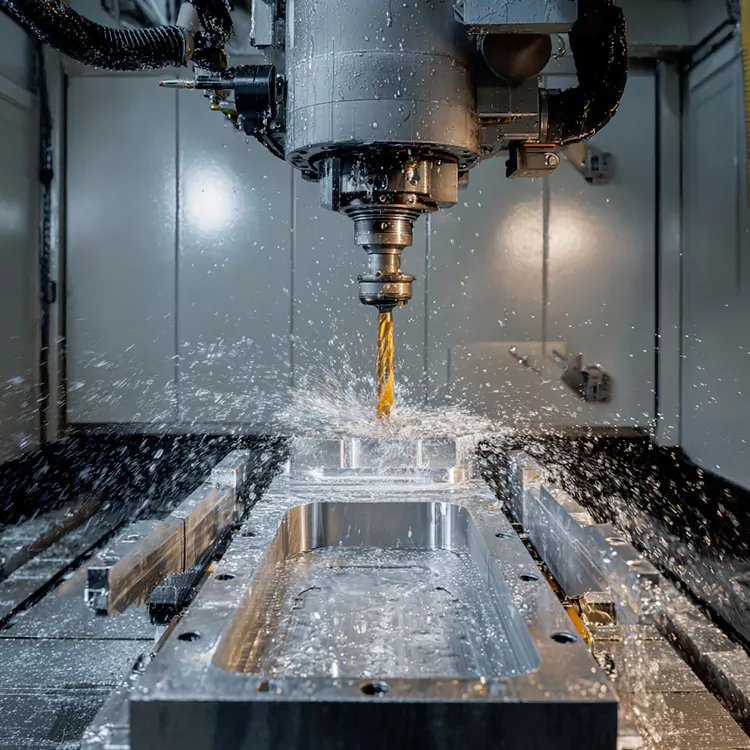
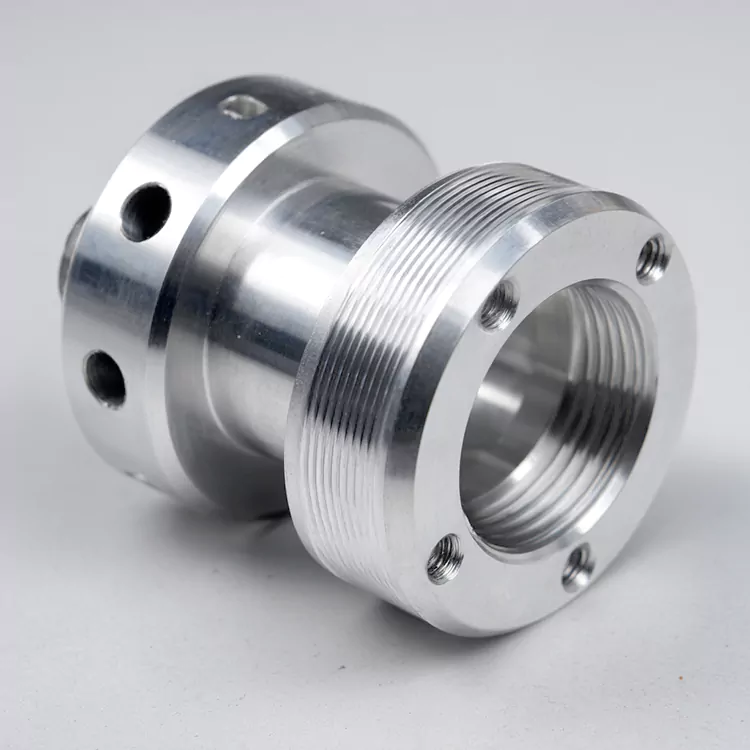
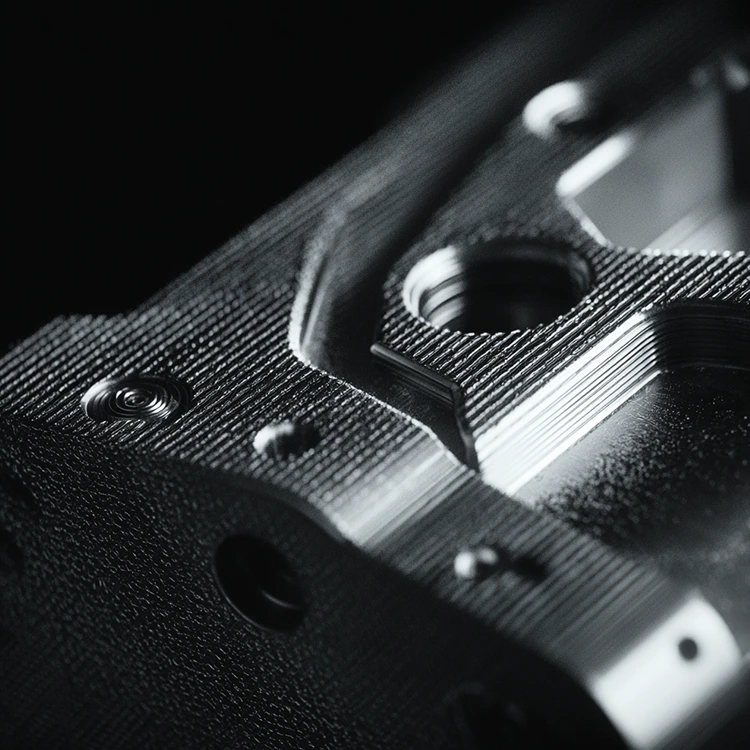
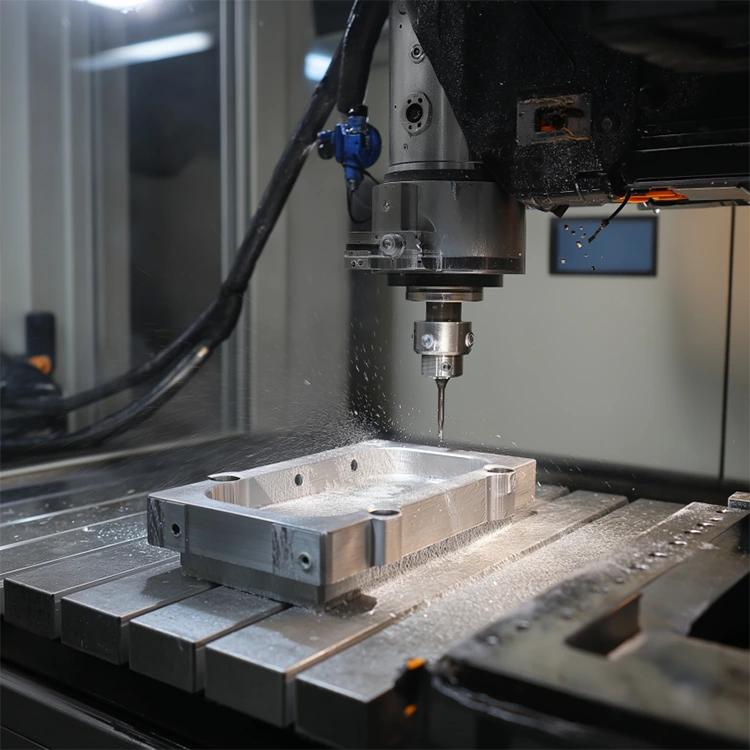
A well-constructed mold reduces defect rates, shortens cycle times, ensures dimensional stability, and maximizes production output. The first pillar of superior molding lies in understanding how cooling design, steel selection, shrinkage behavior, and part geometry interact. The second pillar is precision machining, including CNC milling, EDM, wire-cutting, and polishing processes. Together, these determine how effectively the mold performs under continuous production environments.
How Do Injection Mold Advantages Improve Industrial Production?
Plastic injection molds provide major performance and economic advantages across industries. Their benefits include:
High Precision and Reproducibility
Injection molds ensure that each part maintains identical properties, geometry, and quality. The tighter the tolerances and the more stable the mold temperature, the higher the repeatability.
High Production Efficiency
Once the mold is built, cycle times can reach 10–60 seconds, enabling rapid mass production. Cooling optimization plays a major role in accelerating cycles.
Versatility in Material and Design Complexity
From flexible TPE components to ultra-rigid engineering plastics, injection molding supports thousands of resin types. Complex geometries—thin walls, clips, undercuts—become achievable through advanced mold engineering.
Cost-Effectiveness for Long-Term Mass Production
Although initial mold investment is significant, the long product life and high output reduce unit cost, making it the most economical method for mass production.
Superior Surface Finish and Structural Strength
The mold cavity determines the final appearance and mechanical integrity of molded parts. High-grade steel and precision polishing ensure clean textures, gloss, and dimensional stability.
Strengthened by Simulation and Digital Optimization
Moldflow and CAD/CAM systems allow designers to simulate resin flow, shrinkage, warpage, and cooling behaviors before mold fabrication—saving cost and reducing revision cycles.
These advantages explain why injection molds remain indispensable in manufacturing, particularly when companies require both speed and precision.
How Are Technological Innovations Transforming the Future of Plastic Injection Mold Manufacturing?
The injection mold industry is undergoing a significant evolution as new technologies reshape design efficiency, durability, and production intelligence.
Integration of Smart Manufacturing
IoT-enabled sensors now monitor mold temperature, pressure, and cycle performance in real time. This data helps manufacturers reduce downtime, anticipate maintenance, and improve yield rates.
Conformal Cooling Revolution
Additive manufacturing enables complex internal cooling channels impossible to machine via traditional CNC. This reduces cycle time dramatically—sometimes by 30–60%—while improving part accuracy.
Advanced Steel Materials and Coatings
Modern mold steels with enhanced heat resistance and corrosion protection extend tool life, especially in high-temperature applications such as medical and optical components.
Sustainable Resin Compatibility
As environmental regulations strengthen, molds must adapt to recycled plastics and biodegradable materials. These materials behave differently during flow and cooling, prompting new cooling structures, venting systems, and flow simulations.
High-Precision Micro Molding
Miniaturized components with sub-millimeter features—commonly used in electronics, robotics, and medical devices—require highly specialized mold surfaces, micron-level tolerances, and extremely stable process control.
AI-Driven Defect Prediction
Analytical systems can predict sink marks, warpage, short shots, and burn marks based on historical molding data and simulation input, improving mold design accuracy and reducing trial cycles.
Together, these innovations elevate the future of injection molding by improving cost efficiency, sustainability, and manufacturing intelligence across global industries.
How Does the Industry Address Common Questions About Plastic Injection Mold Production?
Below are common questions manufacturers often ask when planning or optimizing mold development.
Q1: How long does a plastic injection mold typically last?
A high-quality mold made from hardened steel such as H13 or S136 can exceed 1,000,000 shots under proper maintenance. Mold life depends on resin abrasiveness, cycle time, injection pressure, and cooling system design. Regular lubrication, polishing, and vent cleaning significantly extend mold lifespan.
Q2: How does mold design affect final product quality?
Design influences resin flow balance, cooling efficiency, shrinkage control, and ejection stability. A properly designed mold reduces warpage, short shots, burn marks, and sink defects. Simulation is crucial to optimizing gate position, runner dimension, and venting layout.
How Does a Reliable Manufacturer Elevate the Value of Injection Mold Projects?
A dependable injection mold partner plays a crucial role in engineering precision, production stability, and cost performance. Expertise in steel selection, cooling system optimization, simulation analysis, and machining accuracy directly shapes product quality. Companies seeking durability, cycle-time optimization, and long-term efficiency benefit from working with a manufacturer who understands structural engineering, material compatibility, and global production standards.
Honmor brings comprehensive capability in mold design, engineering, and manufacturing across automotive, medical, industrial, consumer electronics, and household goods industries. With strong technical resources and experience in handling complex structures and multi-cavity systems, Honmor ensures molds with long life, fast cycles, and consistent output performance. For customized project evaluation or technical consultation, contact us to discuss how professional mold engineering can elevate production quality and efficiency.
Related News
- What Makes Complex 5 Axis CNC Machining Parts the Backbone of Advanced Manufacturing?
- Why High Tolerance Titanium Turned Parts Are the Backbone of Aerospace and Medical Innovation?
- Why Are 5-Axis CNC Machined Auto Parts the Smart Choice for Complex Automotive Components?
- Why Are CNC Aluminum Turned Parts the Preferred Solution for Lightweight, High-Precision Components?
- Can Fast 3D Printed Prototypes Really Accelerate Your R&D and Reduce Costs?
- CNC Prototype Metal Components: Why Are They Essential for Your Next Project
Leave me a message