How Can CNC Turning Improve Precision, Lead Time, and Cost for Your Parts?
Article Abstract
If you’ve ever sourced a “simple” round part and still ended up with delays, inconsistent dimensions, burrs, or surprise cost add-ons, you already know the real challenge isn’t the shape—it’s the process control. CNC Turning is one of the most reliable ways to produce cylindrical and rotational parts with repeatable accuracy, scalable output, and predictable pricing—when the project is quoted and engineered correctly.
This guide breaks down the most common buyer pain points (tolerance confusion, surface finish mismatch, unclear drawings, unpredictable lead times, quality disputes) and shows how to prevent them. You’ll also find practical checklists, a sample RFQ structure, and an FAQ designed to help engineers, purchasers, and project owners make confident decisions.
Table of Contents
- Outline at a Glance
- What Is CNC Turning and What Is It Best At?
- Buyer Pain Points and How to Remove Them
- When Should You Choose Turning Instead of Milling or Casting?
- Design and Drawing Checklist for Faster, Cheaper Quotes
- Tolerances, Surface Finish, and Inspection Expectations
- Materials and Finishes That Commonly Work Well
- Quality Controls and Documentation You Can Ask For
- How to Choose a Turning Supplier Without Guessing
- A Practical RFQ Template You Can Copy
- FAQ
- Closing Notes
Outline at a Glance
- Define what turning really does and where it shines.
- Map typical sourcing problems to specific fixes you can implement immediately.
- Give design and quoting guidance that reduces cost without sacrificing function.
- Set realistic expectations for tolerance, finish, and verification.
- Help you choose a supplier with less risk and fewer surprises.
What Is CNC Turning and What Is It Best At?
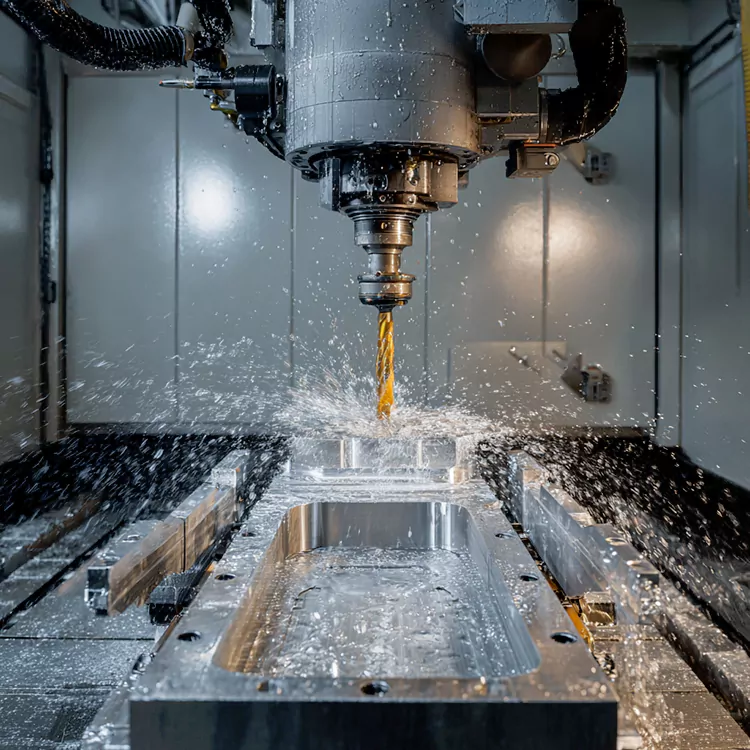
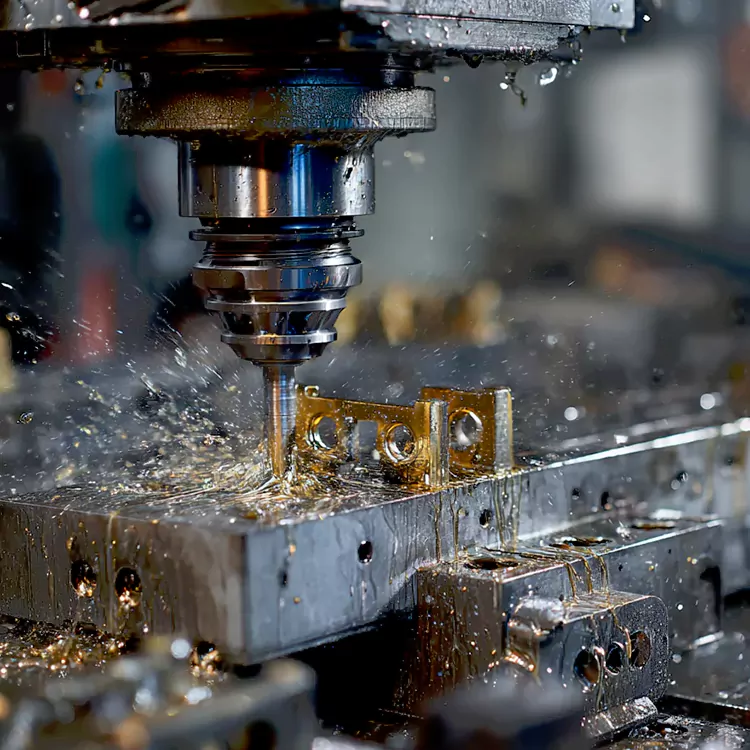
CNC turning is a machining process where a workpiece rotates while a cutting tool removes material to create the final geometry. Think shafts, bushings, sleeves, pins, spacers, threaded parts, connectors, and any component where the most important features are concentric or revolve around a center axis.
What makes turning so valuable is repeatability. Once the setup is stable, the machine can produce consistent diameters, shoulders, grooves, chamfers, and threads with minimal variation—especially across medium and high volumes. Modern turning setups can also integrate live tooling (for flats, cross-holes, and milled features), which reduces handoffs and shortens lead time.
- Best for: round parts, tight concentricity needs, threaded features, long shafts, high-volume repeatability.
- Usually not ideal for: large prismatic parts, complex cavities, very thin flexible geometries that chatter easily.
Buyer Pain Points and How to Remove Them
Most CNC turning sourcing problems are avoidable. The trick is to treat the quote stage as engineering alignment—not just a price request. Here are common pain points and practical fixes.
| Pain Point | Why It Happens | What to Do Instead |
|---|---|---|
| Parts “meet size” but don’t assemble smoothly | Critical fits, runout, or concentricity weren’t defined | Call out functional datums, fit classes, and runout/concentricity where it matters |
| Quotes vary wildly between suppliers | Different assumptions about tolerance, inspection, setup time, and finishing | Standardize your RFQ: material, tolerance map, finish, qty, and inspection expectations |
| Lead time slips after approval | Raw material availability, secondary processes, or setup complexity wasn’t surfaced early | Ask for a process route and a risk list (material, plating, heat treat, special tools) |
| Surface finish “looks rough” even if dimensions are OK | Finish target wasn’t specified or was unrealistic for the material/process | Specify a finish requirement (Ra) only on functional surfaces, not everywhere |
| Thread issues (tight/loose, galling, inconsistent) | Missing thread standard, class, coating impact, or gage method | Define thread standard/class + plating allowance + inspection method (GO/NO-GO) |
| Unexpected extra charges | Deburring, cleaning, packaging, or special inspection wasn’t included | Put these items directly into the RFQ and ask for line-item transparency |
When Should You Choose Turning Instead of Milling or Casting?
Turning is often the best path when your geometry is rotational and the functional requirements depend on roundness, coaxiality, or smooth bearing surfaces. But it’s not automatically the cheapest choice for every part.
- Choose turning when you need repeatable diameters, stable fits, clean threads, or concentric features across volume.
- Choose milling when most features are planar, pocketed, or defined by multiple orthogonal faces.
- Consider casting/forging when the part is large and material removal would be excessive—then use turning for finishing critical surfaces.
A practical rule: if a part can be described primarily by diameters, lengths, and thread callouts, turning will usually give you the cleanest and fastest manufacturing plan.
Design and Drawing Checklist for Faster, Cheaper Quotes
A “good” turning drawing is one that highlights what must be controlled, and gives flexibility everywhere else. Over-defining every dimension forces slower machining and heavier inspection.
- Mark critical features: Identify which diameters, shoulders, and threads drive assembly or sealing.
- Use realistic tolerances: Tighten only the features that truly need it. Loosen the rest.
- Specify datum strategy: If runout or coaxiality matters, define datums that match how the part will be held and measured.
- Consider tool access: Deep narrow grooves, sharp internal corners, and tiny undercuts can force special tooling.
- Prefer standard radii/chamfers: Simple edges reduce burr risk and improve handling safety.
- Plan for deburring: If burr-free edges are essential (medical, fluid, electronics), state it clearly.
- Thread clarity: Provide thread type, pitch, class, and any coating or lubrication requirements.
- Provide STEP + drawing: A 3D model helps confirm intent; the drawing controls acceptance.
If you’re not sure which features are “critical,” a quick test is to ask: Which dimensions would cause a functional failure if they drift? Those get the tightest control. Everything else is an opportunity to save cost and time.
Tolerances, Surface Finish, and Inspection Expectations
Turning can be extremely accurate, but “tight tolerance everywhere” is the fastest way to inflate cost. The goal is to match tolerance and finish targets to function and measurement capability.
| Requirement | Typical Buyer Expectation | Practical Guidance |
|---|---|---|
| Diameter tolerance | Very tight across all diameters | Tighten only on fit surfaces; allow wider tolerance on non-mating diameters |
| Runout / concentricity | Requested “just in case” | Specify only if the part rotates, seals, or aligns; define datum and measurement method |
| Surface finish (Ra) | Low Ra everywhere | Apply Ra targets to bearing/sealing surfaces; standard finish is fine elsewhere |
| Inspection plan | 100% inspection implied but not stated | State sampling plan, gaging method, and what needs full inspection |
| First article | Assumed optional | Use first-article approval for new parts to lock expectations early |
Measurement alignment matters as much as machining. If the supplier measures a diameter one way and you measure another way (different temperature, different method, different reference surface), you can end up in a dispute even when both parties acted in good faith. For critical parts, agree on the verification method up front.
Materials and Finishes That Commonly Work Well
Material choice affects machinability, cost, strength, corrosion resistance, and finish quality. Below are common options buyers select for turned components.
| Material | Why Buyers Choose It | Notes for Turning |
|---|---|---|
| Aluminum (various grades) | Lightweight, good corrosion resistance, cost-effective | Great machinability; consider anodizing for wear/corrosion |
| Stainless steel | Corrosion resistance, durability | Can be slower to machine; define finish requirements on functional surfaces |
| Carbon steel | Strength and cost balance | May need coating/plating; clarify corrosion expectations |
| Brass | Conductivity, machinability, appearance | Excellent for threads and fittings; check compliance needs for your market |
| Engineering plastics | Lightweight, insulation, chemical resistance | Thermal expansion matters; define measurement conditions and tolerances carefully |
- Finishing tip: If you need plating, anodizing, or heat treatment, discuss dimensional impact. Some finishes add thickness; some processes can introduce minor distortion.
- Packaging tip: For cosmetic surfaces, request protective packaging to avoid transit scratches.
Quality Controls and Documentation You Can Ask For
A strong supplier doesn’t just “make the part”—they make your acceptance process easy. If your project is high-stakes, you can request documentation that reduces downstream risk.
- Material certification: Confirms grade and traceability.
- First Article Inspection report: Validates critical dimensions before full production.
- In-process inspection records: Demonstrates process stability during the run.
- Thread gaging records: Especially for safety-critical or high-volume threaded parts.
- Surface finish verification: If Ra is truly functional, ask how it’s measured.
- Change control notes: Documented approvals if tooling, material lot, or process route changes.
You don’t need all of these for every part. Use documentation where it protects you: new designs, critical assemblies, regulated industries, or large-volume production where rework is expensive.
How to Choose a Turning Supplier Without Guessing
Selecting a supplier is easier when you evaluate how they think, not just what they promise. Here are practical signals to look for during your first conversations:
- They ask clarifying questions: about function, critical features, and inspection—not just quantity.
- They offer design feedback: to reduce cost or improve manufacturability without changing function.
- They explain the process route: turning, secondary ops, finishing, inspection, and packaging.
- They discuss risk early: material lead times, special tooling, surface finish constraints, or tight tolerance hotspots.
- They can scale: prototypes and production with a consistent method for revision control.
A reliable partnership feels “boring” in the best way: fewer surprises, fewer late-stage questions, and fewer arguments about acceptance.
A Practical RFQ Template You Can Copy
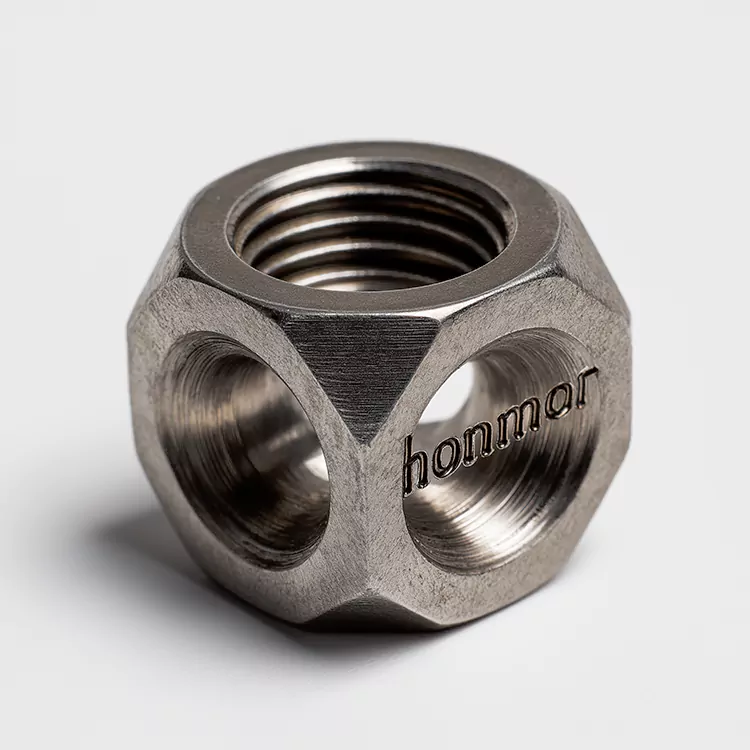
If you want more consistent quotes and fewer follow-up emails, include the following in your request:
- Part name and revision: Include revision letter/number and date.
- Files: PDF drawing + STEP model.
- Quantity and forecast: Prototype qty, first batch, and estimated annual usage.
- Material: Grade/spec + whether substitutions are allowed.
- Critical dimensions: Identify the features that drive fit/function.
- Tolerance approach: Where tight tolerances are truly required; default tolerances elsewhere.
- Finish requirements: Surface finish targets only on relevant surfaces; cosmetic needs if any.
- Secondary processes: Heat treat, anodize, plating, passivation, marking, cleaning.
- Inspection expectations: First article, sampling plan, gages, and reporting format.
- Packaging requirements: Bulk vs. individually protected, labeling needs.
This level of clarity usually reduces quote time, improves price consistency, and helps you compare suppliers based on the same assumptions.
FAQ
Q: What kinds of parts benefit most from CNC turning?
A: Parts with cylindrical geometry—shafts, bushings, sleeves, threaded connectors, pins, spacers—especially when concentricity, roundness, or repeatability across batches matters.
Q: Why do two suppliers quote the same drawing so differently?
A: They may assume different tolerances, inspection intensity, setup strategy, tooling needs, or finishing routes. A standardized RFQ that defines critical features and verification expectations makes pricing far more comparable.
Q: Should I demand tight tolerances on every dimension to be safe?
A: Usually no. Tight tolerances increase machining time and inspection cost. Apply tight control only to functional fits and alignment features; relax non-critical dimensions to reduce cost while maintaining performance.
Q: How can I avoid thread problems?
A: Specify thread standard and class, clarify if coating/plating is applied, and agree on gaging (GO/NO-GO). If the thread is critical, request verification records or first-article approval.
Q: What should I do if surface finish matters for sealing or bearing?
A: Put a surface finish target (Ra) on those specific surfaces, not the whole part, and confirm how the supplier measures it. This keeps cost under control while protecting function.
Q: How do I reduce lead time for turned parts?
A: Provide complete files, mark critical features clearly, avoid unnecessary tight tolerances, and discuss material availability and secondary processes early. Approving a first article quickly also prevents production pauses.
Closing Notes
When done right, CNC Turning is not just a machining option—it’s a predictable production system. The best results come from alignment: clear functional requirements, realistic tolerances, agreed inspection methods, and a supplier who communicates like a manufacturing partner.
If you want a team that can review your drawings, suggest manufacturable improvements, and support both prototypes and production runs, Shenzhen Honmor Precision Technology Co., Ltd. is ready to help. Tell us your application, quantity, material, and critical features—then contact us to get a quote and practical feedback you can use immediately.
Related News
- What Makes Complex 5 Axis CNC Machining Parts the Backbone of Advanced Manufacturing?
- Why High Tolerance Titanium Turned Parts Are the Backbone of Aerospace and Medical Innovation?
- Why Are 5-Axis CNC Machined Auto Parts the Smart Choice for Complex Automotive Components?
- Why Are CNC Aluminum Turned Parts the Preferred Solution for Lightweight, High-Precision Components?
- Can Fast 3D Printed Prototypes Really Accelerate Your R&D and Reduce Costs?
- CNC Prototype Metal Components: Why Are They Essential for Your Next Project
Leave me a message