2025 CNC Machining Industry: Multi-Axis Innovation & Green Tech Reshape Global Manufacturing
The global CNC machining service sector is undergoing a transformative overhaul in 2025, driven by breakthroughs in multi-axis processing, AI-powered intelligence, and sustainable manufacturing. At the recently concluded CIMT2025 exhibition, cutting-edge technologies unveiled by industry leaders like Topus have signaled a new era of precision and efficiency, while market data confirms robust growth fueled by high-end manufacturing demand.
Multi-Axis Revolution Takes Center Stage
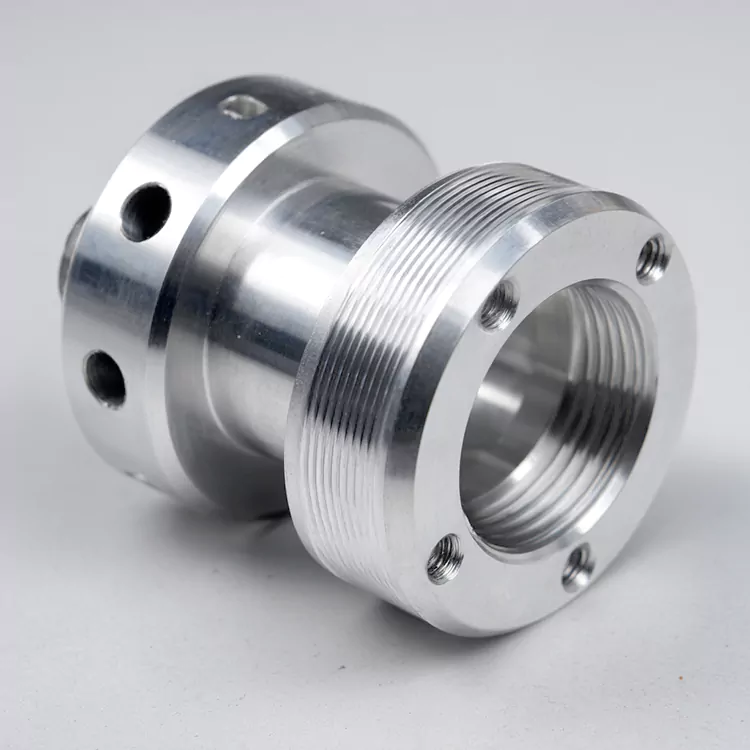
Five-axis machining has emerged as the defining technology of 2025, rendering traditional three-axis systems obsolete in high-precision sectors. Topus’ debut of the TP600HC horizontal five-axis machining center at CIMT2025 showcased industry-leading capabilities: its direct-drive B/C dual turntable achieves 6” rotational accuracy, while the 14,000rpm spindle (upgradable to 20,000rpm) enables 60m/min rapid traversal speeds . The machine’s integrated bed and symmetrical structure deliver exceptional thermal stability, making it a preferred solution for new energy vehicle powertrain components and aerospace parts.
Complementing this advancement, the HMT-i300 five-axis turn-mill composite machine introduced by Topus demonstrates the industry’s shift toward process consolidation. By combining turning, milling, and drilling in one setup, the system eliminates repeat clamping errors—achieving IT4-grade precision—while reducing floor space by 50% and labor costs by 75%. “This isn’t just about speed; it’s about redefining manufacturing economics,” noted a Topus technical director at the.
AI & IoT Drive Autonomous Production
Intelligent systems are turning “lights-out manufacturing” from concept to reality in 2025. Self-developed numerical control systems like Topus’ rocOS integrate real-time monitoring and adaptive parameter adjustment, ensuring long-term processing stability. Meanwhile, AI-powered software optimizes toolpaths dynamically based on material properties and cutting forces, reducing programming errors by 40% and boosting efficiency by 30%.
IoT connectivity further enhances productivity: sensors embedded in machining centers monitor spindle load, vibration, and temperature at millisecond intervals, enabling predictive maintenance that cuts downtime by 60%. Japan’s Mazak has taken this a step further with its “Information Tower” technology, which enables remote machine diagnostics and performance optimization across global production networks.
Sustainability Becomes Competitive Imperative
Environmental responsibility has transitioned from regulatory compliance to a core competitive advantage. Manufacturers are adopting water-based coolants and minimal quantity lubrication (MQL) systems that reduce coolant usage by 90%. Toyota’s CNC workshops, for instance, have achieved an annual CO₂ reduction of 850 tons through such measures.
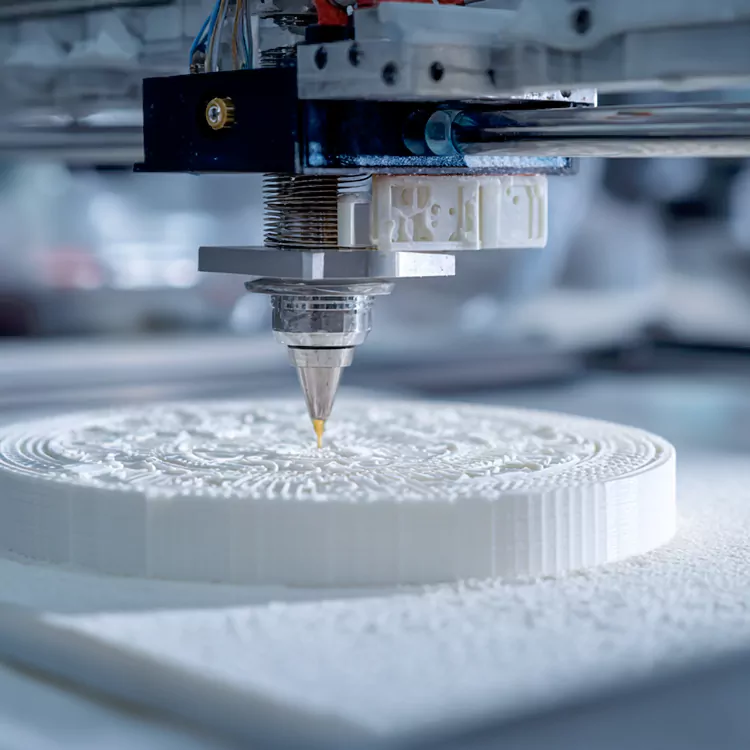
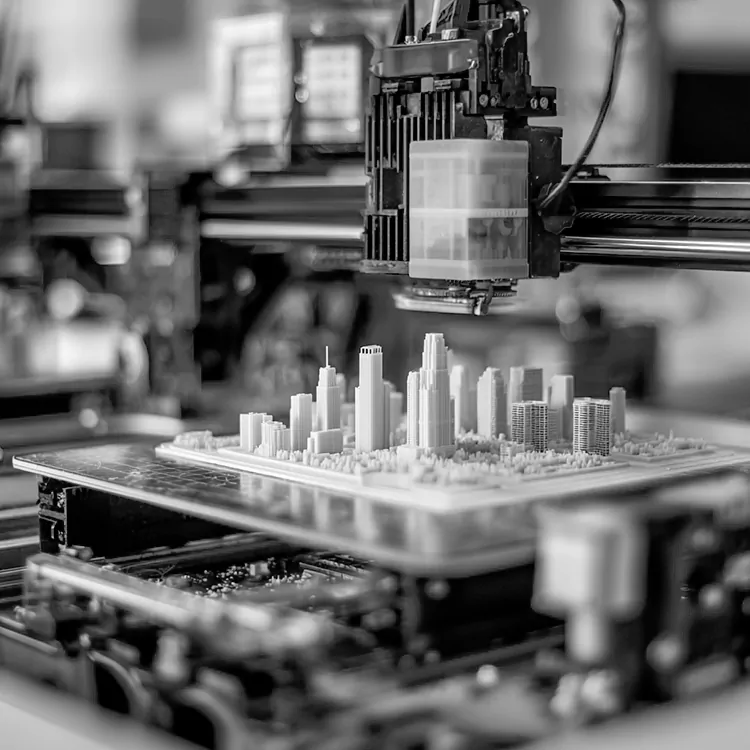
Material efficiency is another focus: hybrid manufacturing systems combining CNC machining with 3D printing cut material waste by 50%, while metal chip recycling programs recover high-value alloys like titanium and aluminum for reuse. Energy-efficient motors now reduce power consumption by 20-30% compared to 2023 models, aligning with global carbon reduction targets.

Market Expansion Amid Talent Challenges
The sector’s growth trajectory remains steep: the global CNC equipment market is projected to reach $28.3 billion by 2034, with China’s market exceeding RMB 460 billion in 2025. Emerging applications in new energy vehicles (a $200 billion CNC component market this year) and medical device customization are driving demand.
However, a critical talent gap persists. China’s senior CNC technicians account for just 3.5% of the workforce—far below the 35% in developed nations. This shortage has pushed salaries for experienced programmers to exceed RMB 20,000 monthly, prompting industry investment in vocational training partnerships.
Future Outlook: Precision Meets Flexibility
As 2025 progresses, industry experts anticipate further convergence of technologies. Quantum sensing could push precision to the sub-nanometer level, while AI may compress process design from hours to minutes. “The CNC service provider of tomorrow won’t just machine parts—they’ll deliver data-driven manufacturing solutions,” observed a Siemens industry analyst. For now, the sector’s focus on multi-axis innovation, intelligence, and sustainability is laying the groundwork for the next industrial revolution.
Related News
- What Makes Complex 5 Axis CNC Machining Parts the Backbone of Advanced Manufacturing?
- Why High Tolerance Titanium Turned Parts Are the Backbone of Aerospace and Medical Innovation?
- Why Are 5-Axis CNC Machined Auto Parts the Smart Choice for Complex Automotive Components?
- Why Are CNC Aluminum Turned Parts the Preferred Solution for Lightweight, High-Precision Components?
- Can Fast 3D Printed Prototypes Really Accelerate Your R&D and Reduce Costs?
- CNC Prototype Metal Components: Why Are They Essential for Your Next Project
Leave me a message